




General


Despite its limited land area and extensive desert regions, Israel has developed innovative agricultural practices to overcome water scarcity and challenging climatic conditions. The country uses advanced water-management systems, desalination technology and wastewater recycling to support agriculture. Its water policies regulate the use of water resources, while farmers can receive incentives for conserving water. Israel also invests in public awareness and digital security to protect critical water infrastructure. These practices offer useful lessons for countries such as India, which faces growing concerns about water shortages and changing weather patterns, including the possible effects of El Niño. Israel’s agricultural approach demonstrates how technology, careful planning and efficient resource management can help farmers produce more with limited water.
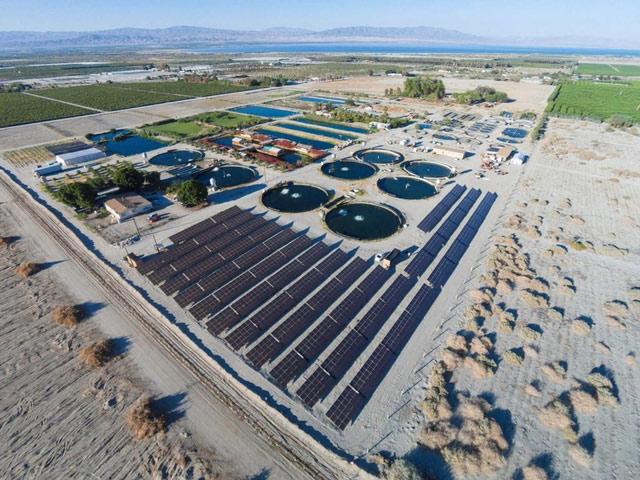
Israel has also adapted farming techniques to its varied geography, including desert areas. Fish such as tilapia, sea bass and barramundi are raised in controlled aquaculture systems, while nutrient-rich water from fish farms can be reused to support crops. The country cultivates Medjool dates, cherry tomatoes, peppers, olives and ornamental flowers using methods suited to local conditions. In the Negev Desert, sensor-based irrigation and computer-controlled systems help support vineyards and wine production. Israel’s experience in water recycling, precision irrigation, protected cultivation and agricultural research offers opportunities for collaboration with India. Indo-Israel Centres of Excellence operating across several Indian states help farmers access modern farming techniques and improve productivity. Adapting these technologies to local soil, climate and water conditions could strengthen agricultural resilience in drought-prone regions.














Comments (0)
No comments yet
Be the first to comment!