
Movies


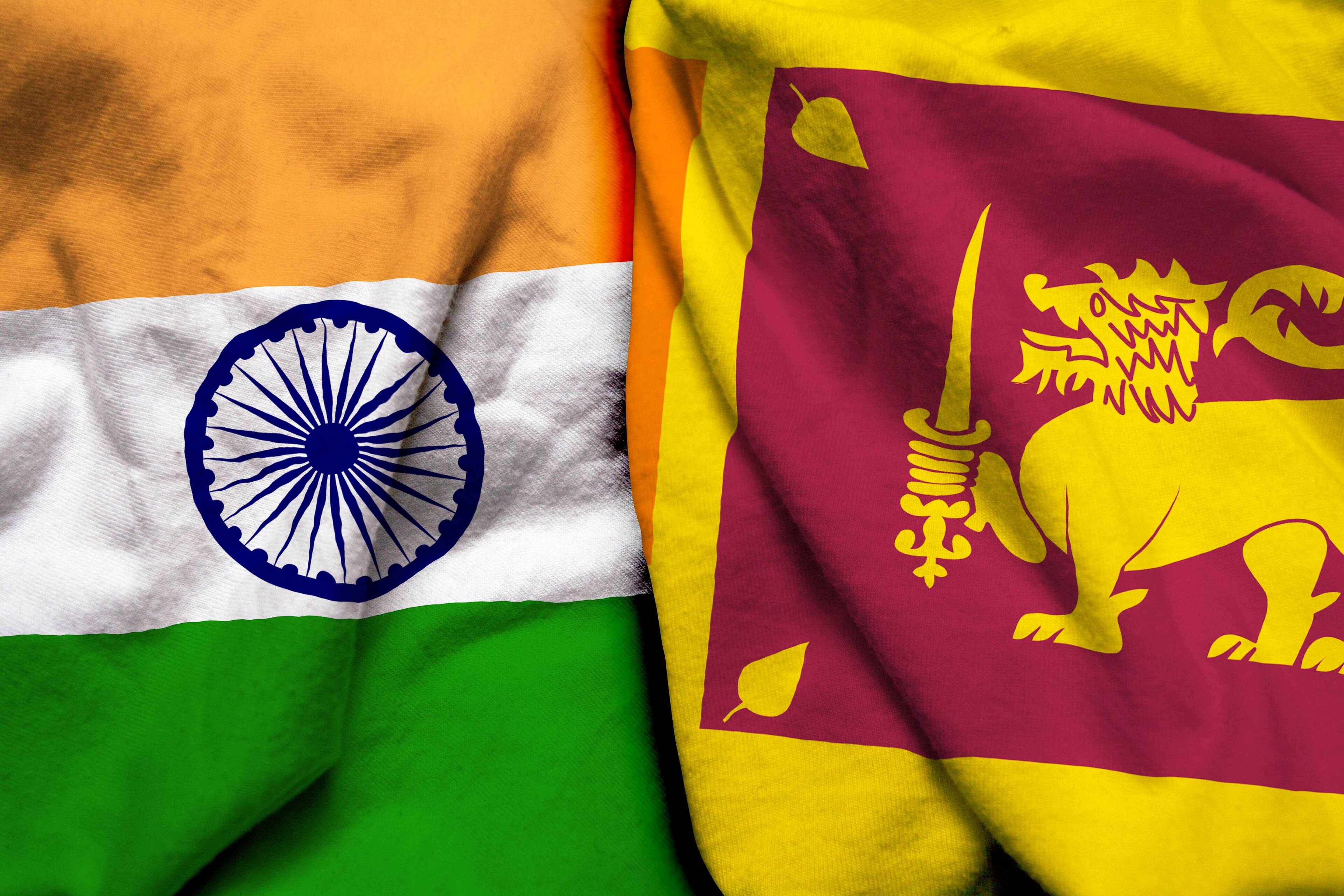
According to the World Bank’s 2026 income classification, Sri Lanka has been placed in the upper middle income category, while India remains in the lower middle income group. The figures cited in the classification put Sri Lanka’s Gross National Income (GNI) per capita at $4,670, compared with India’s $2,760. Sri Lanka’s reported per-capita income is above the World Bank’s cited threshold of $4,636 for the upper-middle-income category, marking a difference in how the two countries are classified by income level.
Although India has one of the world’s largest economies in terms of total economic output, its much larger population means that national income is distributed across far more people. This highlights the distinction between a country’s overall economic size and its income per person. Total Gross Domestic Product (GDP) measures the value of goods and services produced by an economy, whereas GNI per capita reflects national income relative to the population. Therefore, a country can have a larger overall economy without necessarily having a higher per-capita income. The World Bank’s income categories are based on GNI per capita, rather than total GDP alone.

















Comments (0)
No comments yet
Be the first to comment!