
General


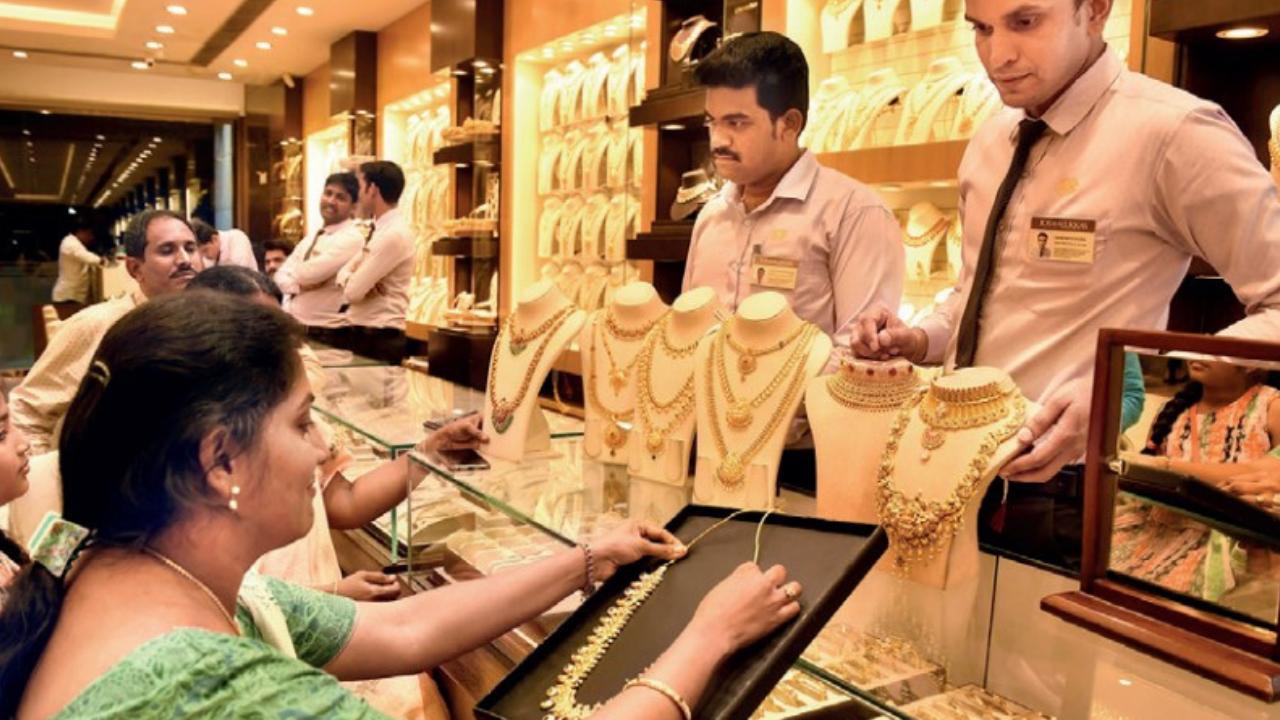
Gold has a special place in Indian culture and traditions, particularly during weddings and other auspicious occasions. It is also considered an investment avenue by many households, while silver continues to have strong demand as well. Gold purity is measured in carats. Pure gold is generally classified as 24 carat, with 24K gold containing about 99.9% purity. It is commonly available in the form of coins, bars and biscuits. Jewellery is generally made using 22-carat gold, also known as 916 purity, because other metals are added to improve its durability.
Gold and silver prices in India are influenced by international precious-metal prices, currency movements, import costs and applicable taxes. Since India relies significantly on imports to meet its gold demand, fluctuations in the US dollar can also affect domestic prices. Buyers should also remember that displayed metal rates may not always include taxes and other charges. The final jewellery bill can include GST, making charges and wastage-related charges, which may vary from one jeweller to another. Purchasing gold without a proper bill simply to avoid GST can create problems later, particularly regarding purity verification, repairs and resale documentation. Therefore, consumers should check the purity, hallmarking details, applicable charges and final invoice before purchasing jewellery.














Comments (0)
No comments yet
Be the first to comment!