
General


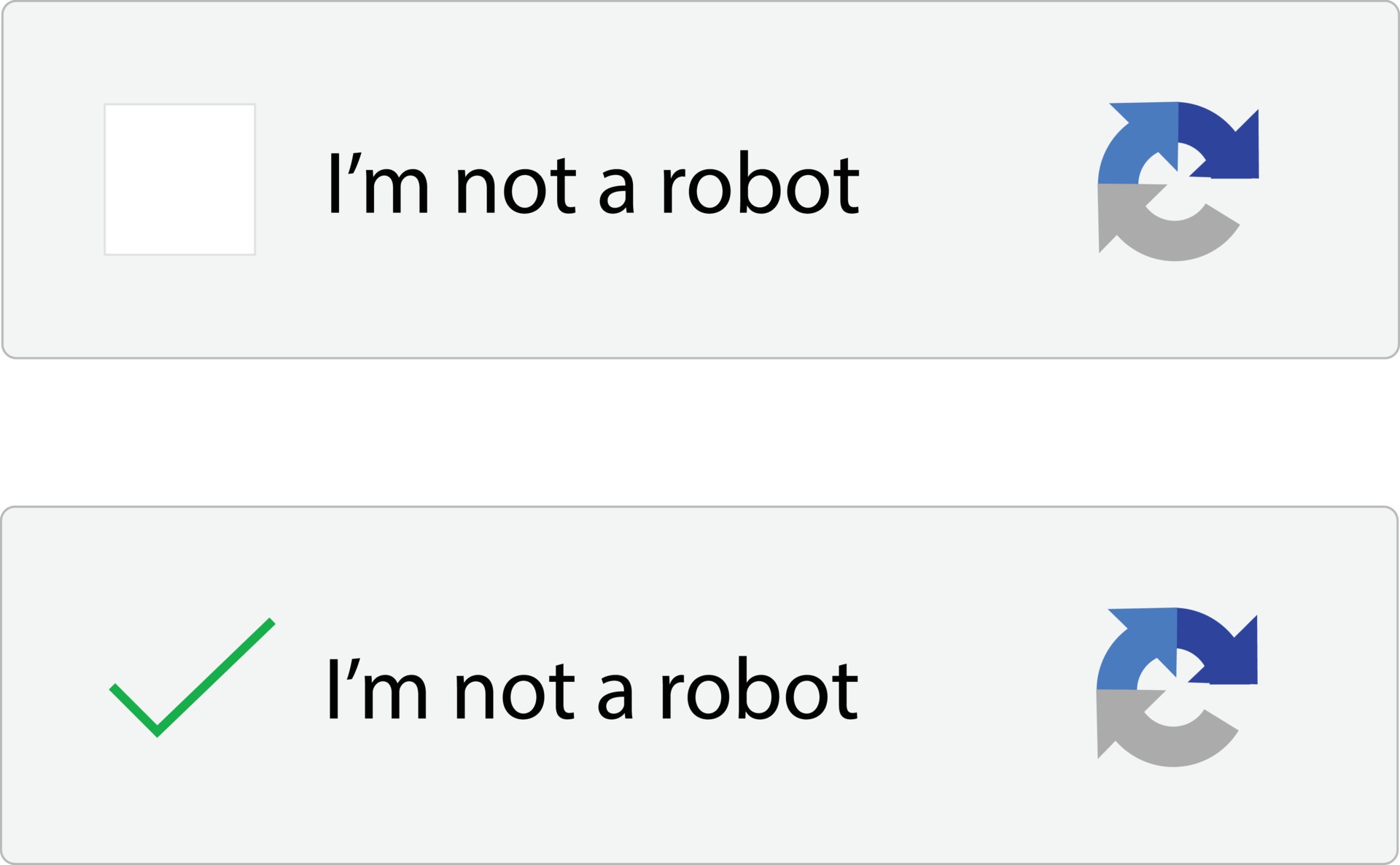
When you open any website on the Internet and log in to your account or fill out an online form, you will see an option called 'I'm not a robot'. Sometimes you have to identify distorted letters, and sometimes you have to select images of buses, bicycles, and traffic lights. This process is called CAPTCHA. It is designed to determine whether the website is being used by a real person or an automated bot.
'CAPTCHA' stands for 'Completely Automated Public Turing Test to Tell Computers and Humans Apart'. Its main purpose is to reduce bot attacks on websites. Malicious bots do things like create fake accounts, spam comments, influence online polls, and submit the same form repeatedly. They also try to log into accounts with stolen passwords. Captchas make it easier to block such automated activities.
However, a website does not recognize a user based on that single action every time they click on 'I'm not a robot'. Some systems also look at other signals in addition to browsing patterns. Repeated verification requests can be caused by unusual traffic from your internet connection, sending too many requests in a short period of time, using a VPN, or browser settings. That's why sometimes you have to complete the captcha again even if you give the correct answer.
Captchas alone are not a complete protection for online security. Websites use them in conjunction with other security measures such as password protection, suspicious activity detection, and multi-factor authentication. While captcha checks can be annoying to users in some cases, they help reduce fraudulent activity and keep websites running smoothly.












Comments (0)
No comments yet
Be the first to comment!