
Movies


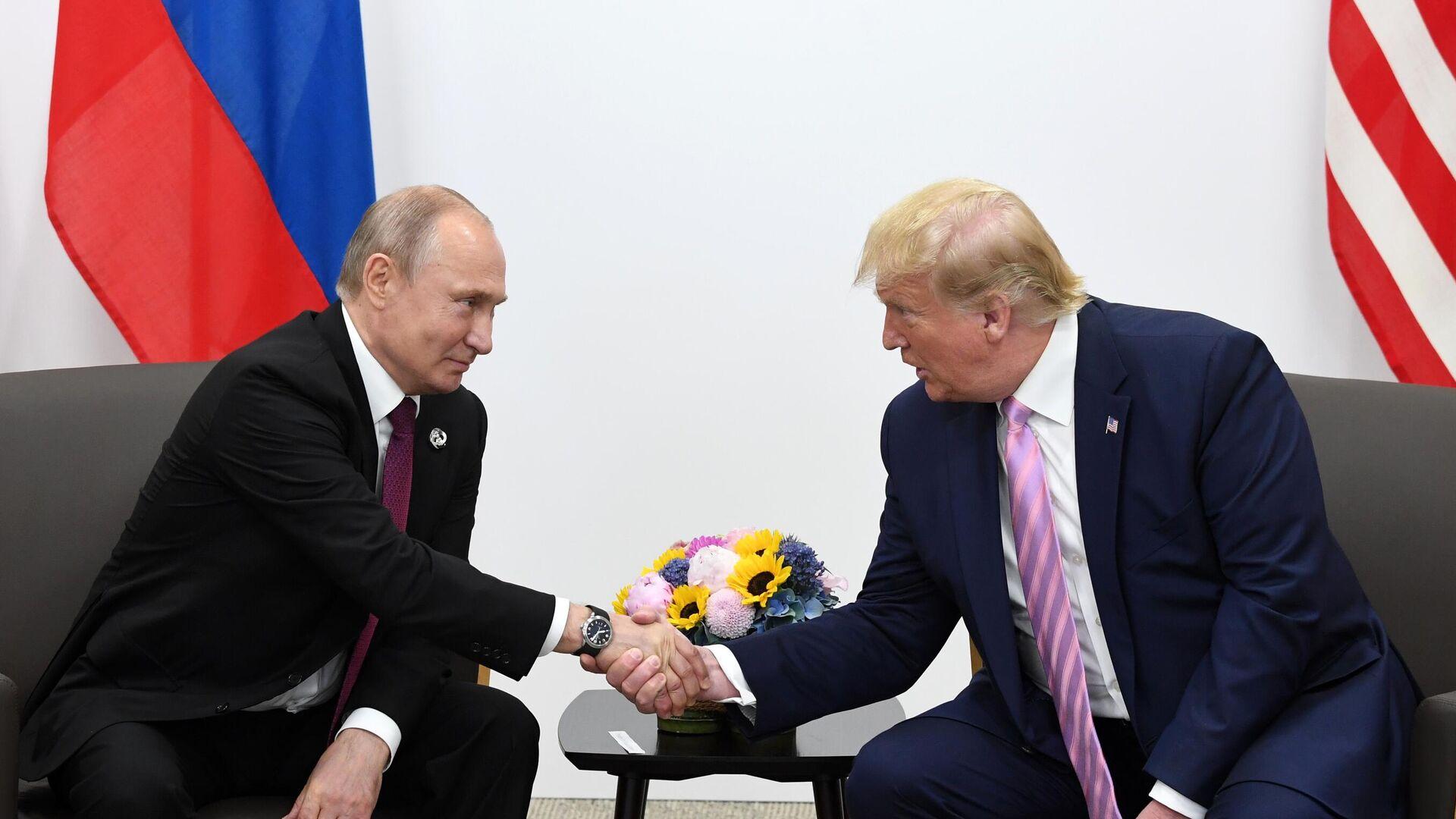
US President Donald Trump’s decision to ease sanctions on Russian diesel imports has raised questions about Washington’s approach to trade with Moscow amid the Russia-Ukraine war. After previously threatening tariffs against countries purchasing Russian oil and gas, Trump has now announced a deal to bring Russian diesel into the US and global markets, citing rising fuel prices. The US has temporarily eased sanctions on Russian diesel shipments until April 7, 2027, with Russia expected to supply more than 300,000 tonnes initially, followed by additional shipments. The move has drawn criticism because Washington had earlier argued that revenue from Russian energy exports helps Moscow finance its war in Ukraine. In 2025, the Trump administration imposed an additional 25% tariff on Indian imports over India’s Russian oil purchases, although that additional tariff was removed in February 2026 following a trade understanding between the two countries.
Ukrainian President Volodymyr Zelenskyy has criticised the diesel agreement, arguing that easing restrictions could strengthen Russia’s war effort rather than help bring the conflict to an end. The Trump administration, meanwhile, has defended the move as a way to address soaring fuel costs in the US, where diesel prices have come under pressure amid wider international energy disruptions. The timing has also prompted speculation that domestic political concerns ahead of the November midterm elections may have influenced the decision. The agreement highlights the challenge of balancing energy affordability, sanctions policy and support for Ukraine. While the US says the move is intended to increase fuel supplies and ease prices, critics warn that allowing Russian diesel exports could undermine the economic pressure placed on Moscow.














Comments (0)
No comments yet
Be the first to comment!