Sports


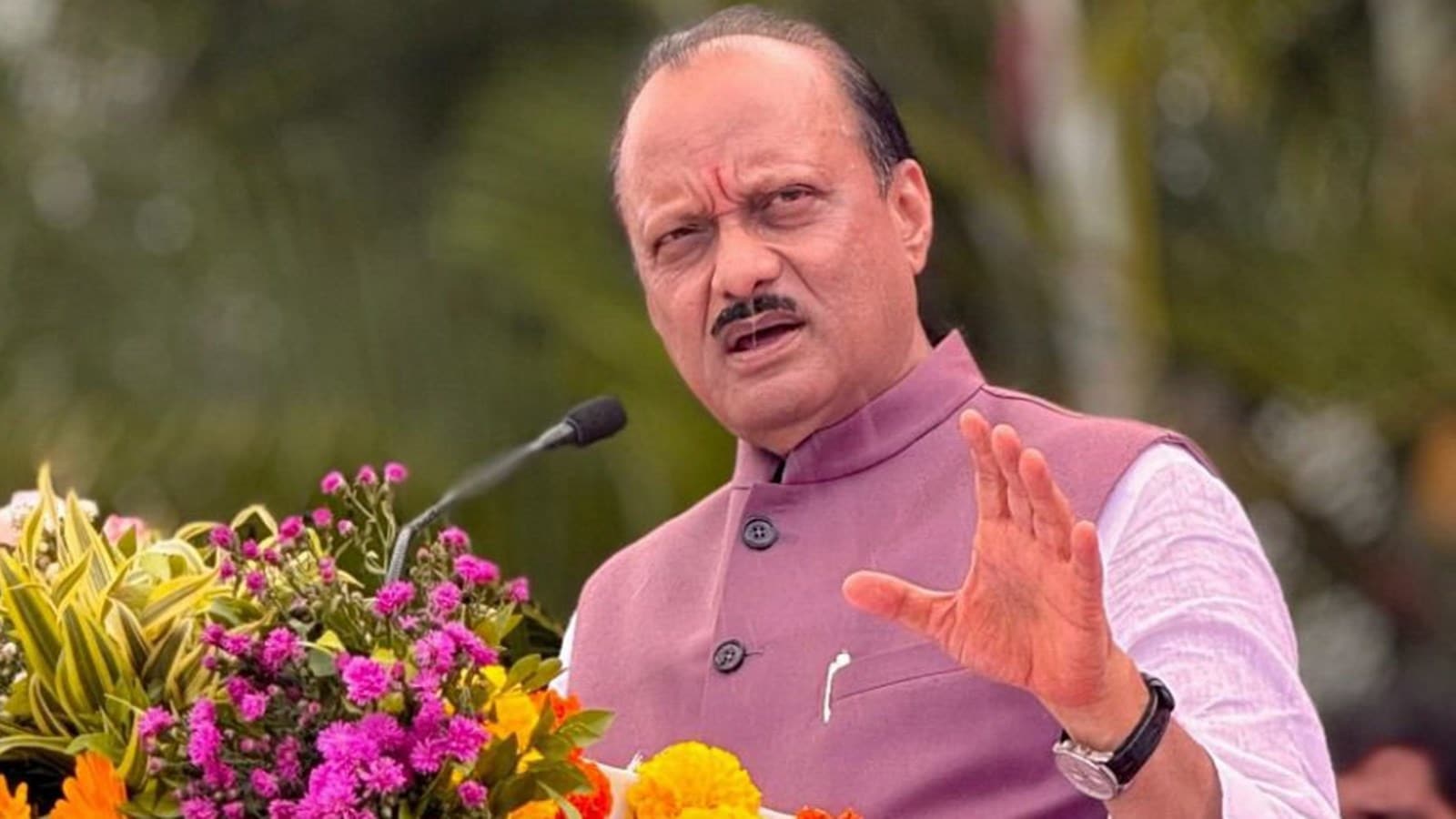
Maharashtra Deputy Chief Minister Ajit Pawar died on Wednesday after the aircraft he was travelling in crashed while attempting to land in Baramati. He was 66. The tragic accident has brought an abrupt end to the career of one of Maharashtra’s most influential and enduring political leaders, sending shockwaves across the state and the national political landscape.
Born on July 22, 1959, in Deolali Pravara of Ahmednagar district, Ajit Pawar grew up in a family deeply connected to public life. After the death of his father Anantrao Pawar when Ajit was just 18, he was drawn into politics under the guidance of his uncle Sharad Pawar. His political journey began in 1982 with his election to the board of a sugar cooperative, laying the foundation for his stronghold in western Maharashtra’s cooperative institutions, including sugar factories, milk unions and district banks.
Ajit Pawar entered electoral politics in 1991, winning the Baramati Lok Sabha seat before shifting to state politics the same year. He went on to represent the Baramati Assembly constituency continuously for more than three decades, winning the seat eight times, most recently in November 2024 with a margin of over one lakh votes. Known for his administrative grip, he handled major portfolios such as finance, irrigation and water resources, and served multiple terms as Deputy Chief Minister, becoming one of the longest-serving leaders in that role.
His career witnessed dramatic political moments, including the brief 80-hour government with Devendra Fadnavis in 2019 and the historic split of the Nationalist Congress Party in 2023, after which he joined the BJP–Shiv Sena alliance. He took oath as Deputy Chief Minister for the sixth time in December 2024, an event many observers saw as cementing his dominance within Maharashtra politics.
Despite political upheavals, Ajit Pawar’s base in Baramati and surrounding regions remained intact due to his grassroots connect and firm control over cooperative networks. Known for his fast-paced working style and constant public engagement, he remained active in governance until his final day. He is survived by his wife and two children. His death leaves a major vacuum in Maharashtra politics and is expected to significantly reshape the state’s political equations in the months ahead.




Comments (0)
No comments yet
Be the first to comment!