

Politics


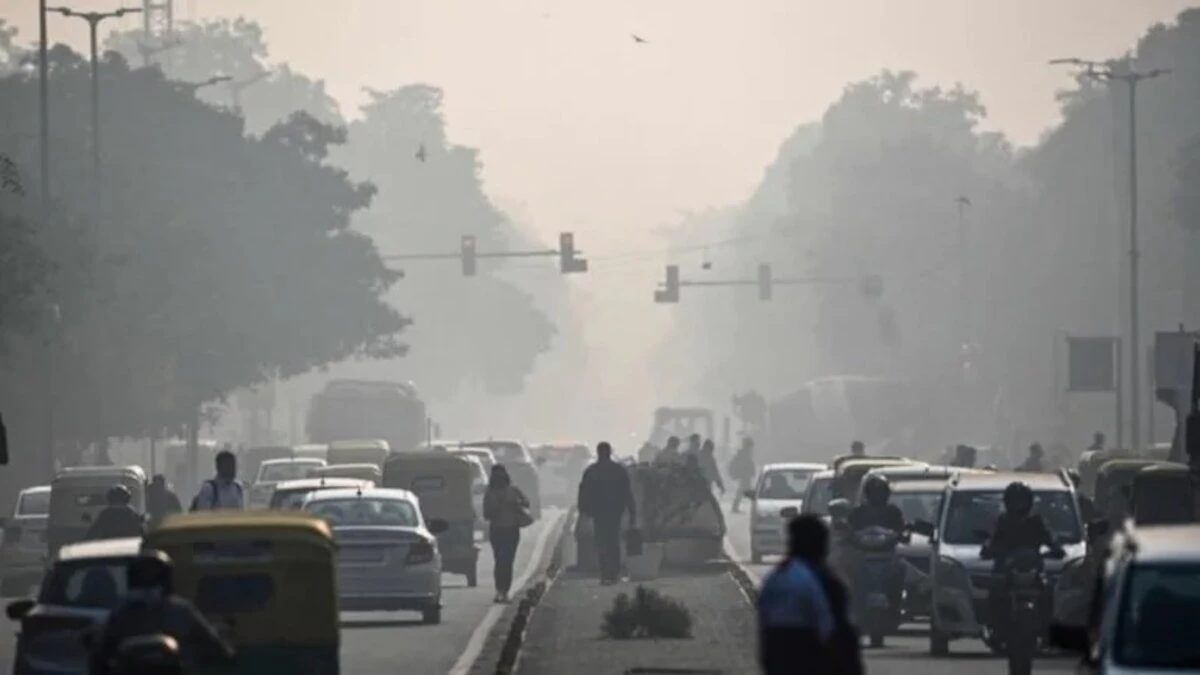
The air over Hyderabad has turned into an invisible threat. Odourless and unseen, sulphur dioxide (SO₂) is silently entering human bodies with every breath, emerging as a slow-acting toxic weapon. According to a recent scientific study, SO₂ levels around Hyderabad—especially near the Outer Ring Road (ORR)—have reached alarming levels due to a dangerous mix of vehicular emissions and industrial pollution. While the city appears to be racing toward development, a harsh environmental reality is unfolding beneath the surface.
A study conducted by IIT Kanpur, on the directions of the Telangana Pollution Control Board, revealed shocking figures. The ORR region releases an average of 18,101 kg of SO₂ per day, while the Greater Hyderabad area emits 10,701 kg daily. Within GHMC limits, 91% of SO₂ comes from vehicles, whereas in ORR zones, 92% originates from industries. Experts warn that prolonged exposure can damage lungs, worsen asthma, and trigger respiratory diseases, especially among children, the elderly, and pregnant women. Though the state government has announced new air-quality dashboards, monitoring stations, and a Clean Air Action Plan, the critical question remains—can data alone protect Hyderabad’s breath?










Comments (0)
No comments yet
Be the first to comment!