


Movies


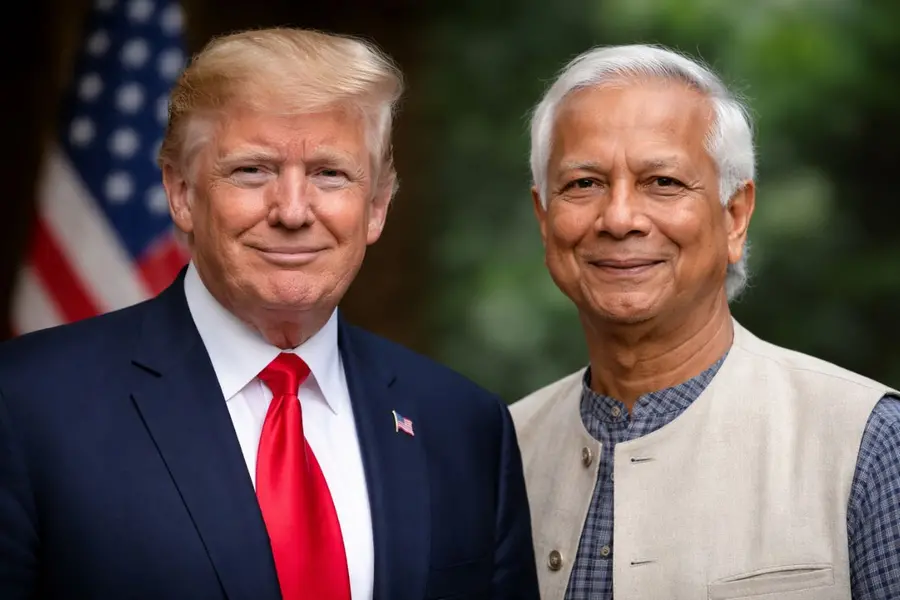
Despite finalising a trade agreement with the United States, Bangladesh has failed to secure the benefits it was hoping for. The US–Bangladesh trade deal was formally signed on Monday, under which tariffs imposed on Bangladesh were marginally reduced from 20 percent to 19 percent. The agreement was signed by US Trade Representative Jamieson Greer and Bangladesh’s representative Sheikh Bashiruddin, a development confirmed by the White House. As part of the deal, Washington will consider certain exemptions on Bangladeshi textiles and apparel. However, Bangladesh has agreed to use cotton produced in the United States, a decision confirmed by adviser Muhammad Yunus through social media. Earlier, during Donald Trump’s presidency, tariffs on Bangladesh were as high as 37 percent, later reduced to 20 percent, and now further lowered by just one percent.
The agreement has triggered concern in Bangladesh, especially as India’s trade deal with the US was concluded at a lower tariff rate of 18 percent. With its economy heavily dependent on the textile and apparel sector, Bangladesh had hoped to secure a more competitive deal, particularly ahead of elections. In its efforts, Bangladesh agreed to open its markets to US industrial and agricultural products, chemicals, medical equipment, auto parts, and energy products. However, the marginal tariff reduction has raised doubts over whether the deal truly serves Bangladesh’s economic interests.




Comments (0)
No comments yet
Be the first to comment!