
OTT



During winter, many people experience headaches immediately after waking up in the morning. For some, the pain may be mild, while for others it can persist throughout the day and cause discomfort. However, morning headaches should not be ignored, as they may indicate underlying health issues.
In cold weather, the body’s metabolism slows down, which can affect blood circulation. As a result, the brain may not receive sufficient oxygen, leading to headaches. In addition, a lack of essential nutrients in the daily diet can also trigger this problem. If you experience headaches every morning after waking up, it is better not to take them lightly. This could be your body’s way of signaling the need for proper nutrition and a balanced diet.
Morning headaches are often linked to deficiencies in key nutrients. A magnesium deficiency can increase nerve tension, leading to headaches and migraines. Similarly, a lack of vitamin B2 and B12 can contribute to this condition.
During winter, inadequate water intake and insufficient iron and omega-3 fatty acids in the diet can further increase the risk of morning headaches.
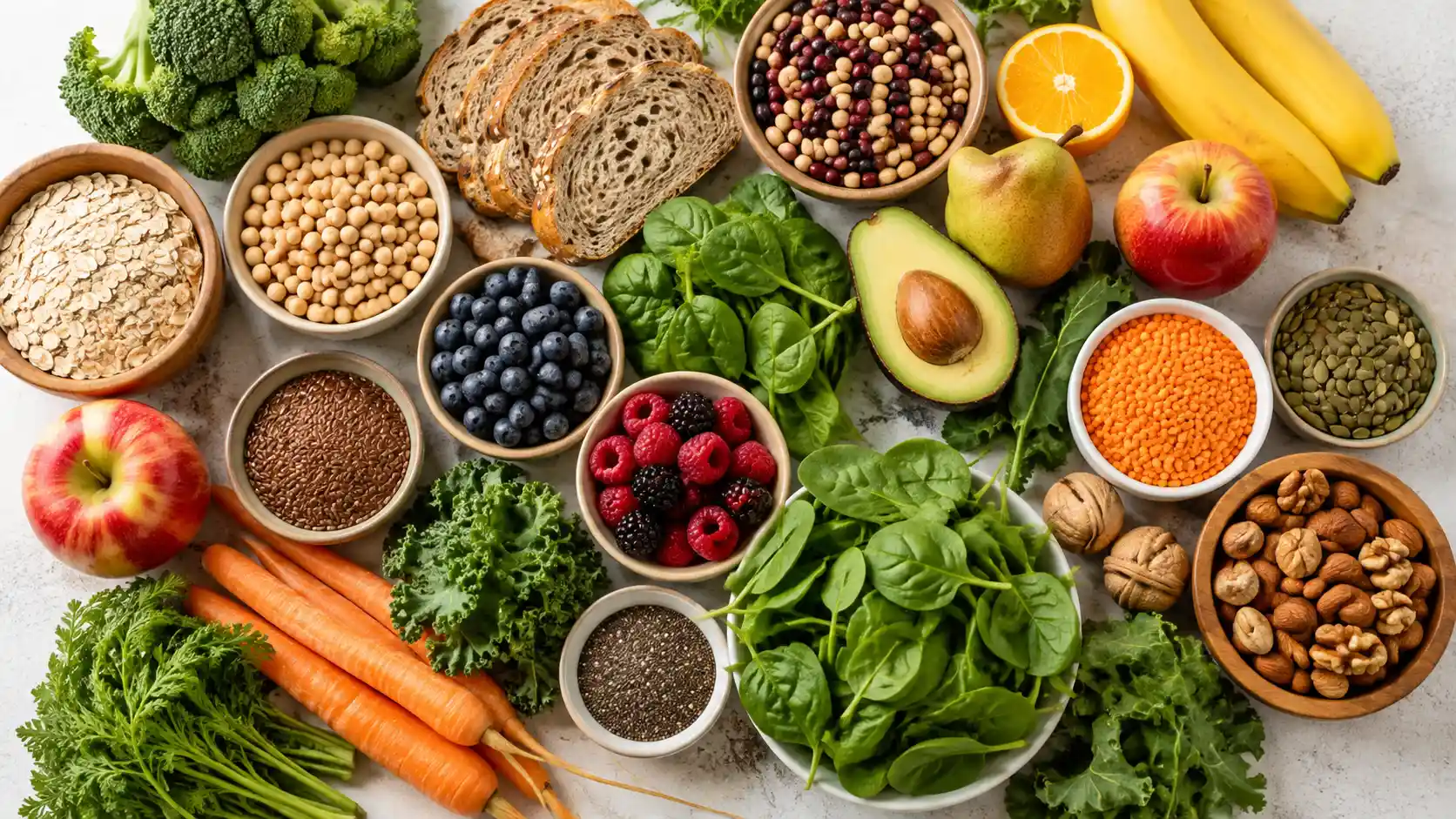
To reduce morning headaches, it is important to include nutrient-rich foods in your diet.
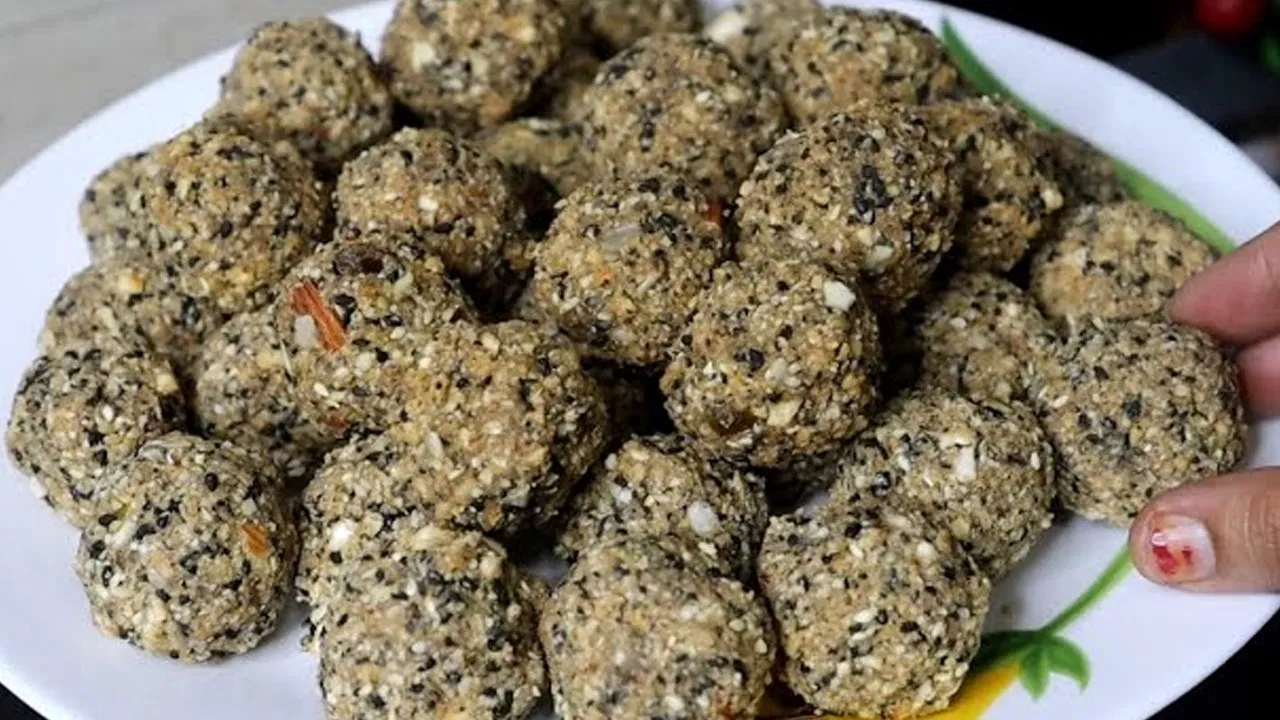
For magnesium, consume almonds, pumpkin seeds, spinach, and bananas, which help relax nerves and reduce pain.
Foods rich in vitamin B12 and B2, such as eggs, milk, yogurt, and whole grains, provide energy to the brain and reduce morning fatigue.
For iron, include spinach, jaggery, chickpeas, and lentils, as they help maintain proper oxygen levels in the blood.
To get enough omega-3 fatty acids, add walnuts, flaxseeds, and chia seeds to your diet. These foods help reduce inflammation and support better headache control.
Note : The information provided is for awareness purpose only. We are not responsible for any consequences. If you have any health concerns, please consult your doctor or qualified nutritionist before following the above suggestions.













Comments (0)
No comments yet
Be the first to comment!