
General


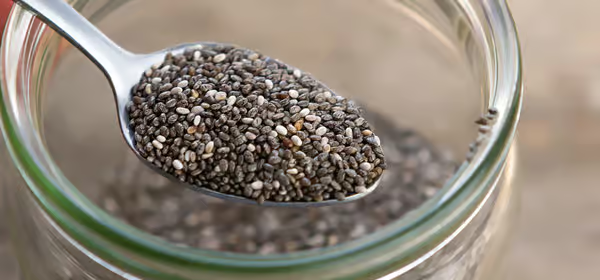
Chia seeds are loaded with nutrients. When consumed regularly, they provide essential vitamins, minerals, and healthy fats to the body. Especially for those aiming to lose weight, chia seeds can show quick results. However, experts warn that one must be cautious while consuming them. Taking them in excess can cause side effects. Let’s explore in detail the possible harms of consuming too many chia seeds.
Nowadays, many people are becoming health-conscious. To lower cholesterol and lose weight, they are making several changes in their diet, often adding different types of seeds — and chia seeds are one of the most popular among them.
Chia seeds contain numerous nutrients and are highly beneficial for weight loss. When soaked in water, they even help relieve constipation. Despite these benefits, consuming them incorrectly or in large quantities can lead to several side effects. Experts caution that overconsumption may bring more harm than good.
Chia seeds are considered a “superfood” because they are rich in fiber, omega-3 fatty acids, antioxidants, and minerals. But excessive intake can lead to digestive issues. Without proper knowledge of how to consume them, one might experience bloating, gas, constipation, or stomach pain — especially if eaten without enough water.
Doctors recommend soaking chia seeds in water before consumption. When soaked, they form a gel-like texture that is easy to digest. Eating them raw or dry can cause discomfort, throat irritation, and even minor cuts on the tongue.
Some people mix chia seeds with milk or dairy products. However, when combined with these, the seeds become thicker and harder to digest, leading to heaviness and stomach bloating.
Chia seeds are rich in omega-3 fatty acids, which are good for heart health and help lower blood pressure. But for those already suffering from low blood pressure (hypotension), this can be risky. Consuming chia seeds while on BP-lowering medications can make blood pressure drop further, which may be dangerous.
Also, pairing chia seeds with high-fiber vegetables can overload your digestive system with fiber, causing discomfort and indigestion.
Omega-3 fatty acids not only lower blood pressure but also make blood thinner. People already taking blood-thinning medication should avoid excessive chia seed intake, as it can increase bleeding risks.
Chia seeds should also not be consumed with highly acidic fruits like oranges or grapes, as this can cause gas and bloating. Instead, they can be safely eaten with bananas or apples.
Some individuals may develop allergic reactions after eating chia seeds — including skin rashes, watery eyes, or breathing difficulties. Those allergic to mustard or sesame seeds should also avoid chia seeds, as they might trigger similar reactions.
Though chia seeds are healthy, they are also high in calories. Overeating them, especially without physical activity, can lead to gradual weight gain. People on a strict diet should therefore be mindful of portion sizes.
This information is for general awareness only and should not replace medical advice or treatment. Always consult your doctor before adding chia seeds to your diet.













Comments (0)
No comments yet
Be the first to comment!