
General



In today’s modern lifestyle, growing health awareness has led many people to switch from regular wheat flour to multigrain flour. Although it is widely believed that multigrain atta is highly beneficial for health, experts caution that it may not be suitable for everyone. They emphasize that, contrary to advertising claims, it is not a universal remedy. Individuals with certain health conditions are advised to exercise caution before consuming it, as in some cases it may cause more harm than benefit.
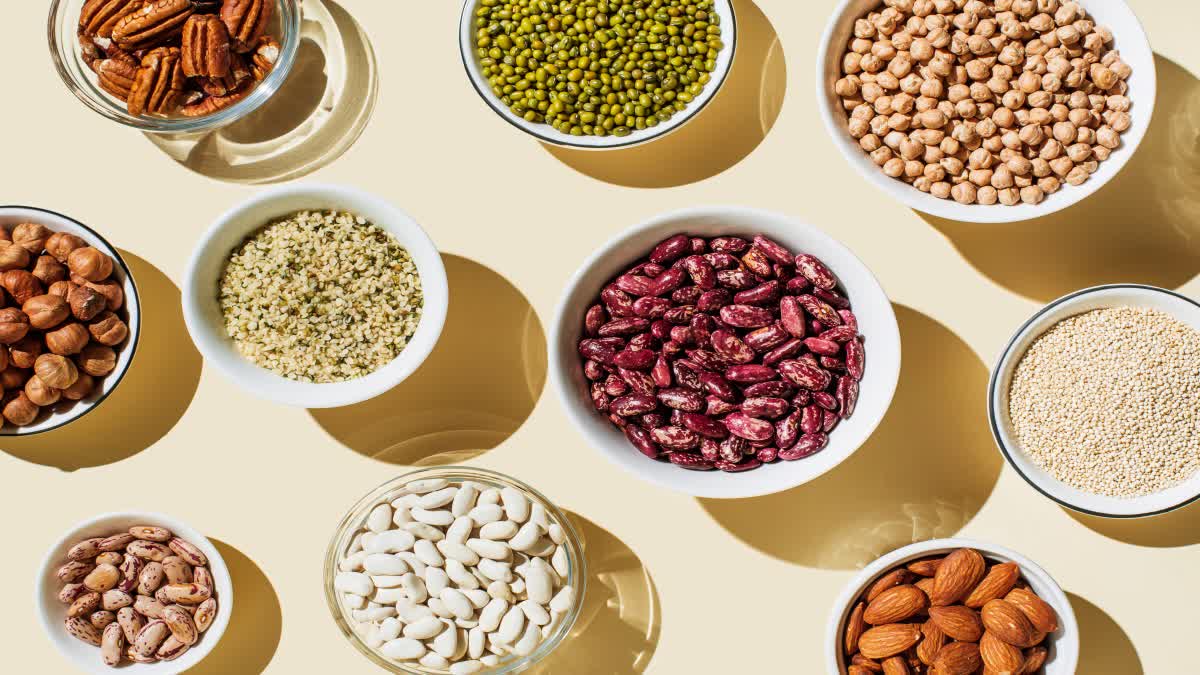
Multigrain flour contains a combination of grains such as wheat, jowar, bajra, ragi, soybean and chickpeas. While it is a rich source of fiber and protein, it may not suit every individual’s body type. Therefore, experts recommend choosing grains based on one’s health condition and nutritional requirements. People with specific medical issues are especially advised to consume it carefully.
Individuals with digestive problems may experience discomfort due to the high fiber content in multigrain flour. Those suffering from kidney-related conditions should also be cautious, as they need to limit potassium and phosphorus intake, which may be higher in such grain mixtures. People with thyroid disorders are advised to avoid soy-based flour, while those with allergies should also be careful due to the uncertain grain composition in packaged products. Experts further suggest preparing multigrain flour at home with the right proportions of selected grains and starting with small quantities to observe how the body responds.
Note: This information is provided for general awareness only and should not be considered medical advice. For any health or dietary decisions, it is recommended to consult a qualified doctor or healthcare professional.

















Comments (0)
No comments yet
Be the first to comment!