
General


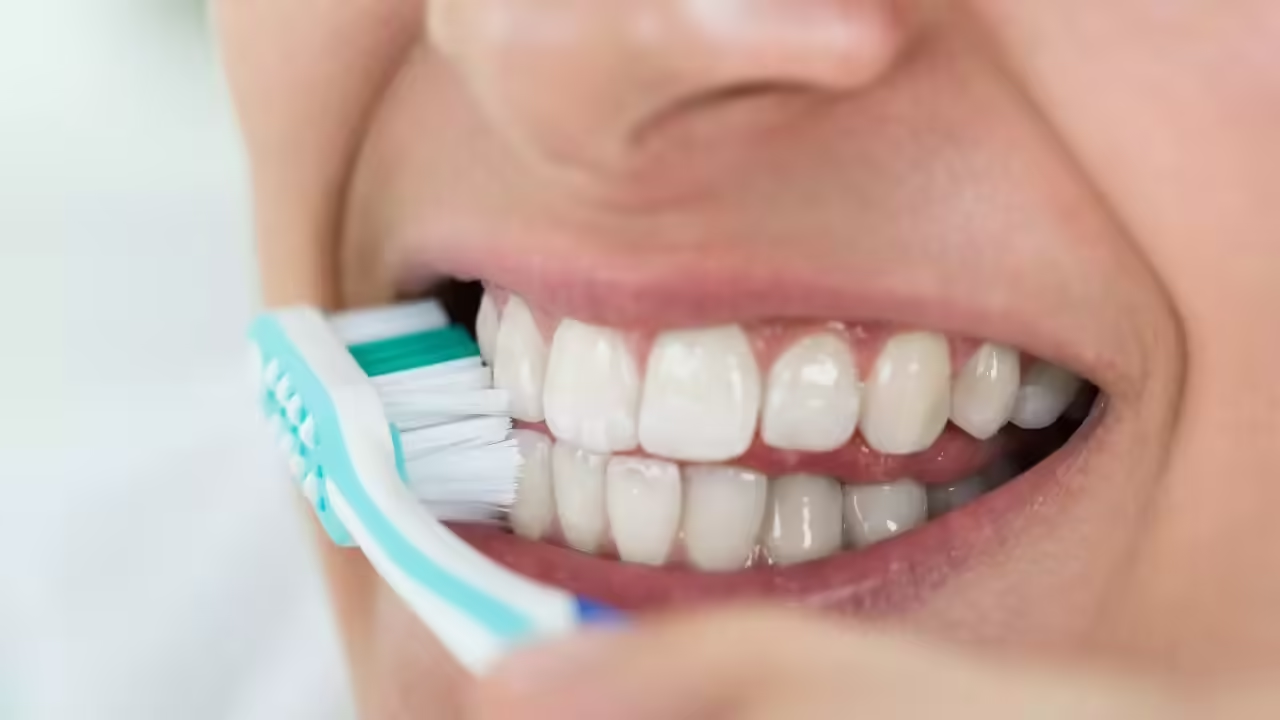
Brushing teeth is the very first routine most of us follow every morning. But have you ever wondered whether the toothbrush you are using is actually the right one? Is it effectively removing food particles trapped between your teeth? For many people, the answer is unclear. In fact, small mistakes made while choosing a toothbrush can lead to gum problems, tooth decay and other oral health issues.
Many people prefer toothbrushes with hard, evenly aligned bristles. However, dental experts recommend using soft bristles with zig-zag or wavy patterns. These bristles can easily reach the narrow gaps between teeth and effectively remove food debris. Hard bristles, on the other hand, can damage the tooth enamel and increase the risk of gum bleeding.
When buying a toothbrush, it is important to pay attention to the shape of the brush head. Compared to a U-shaped head, a V-shaped brush can reach the corners of the mouth and the back teeth more easily. Additionally, a slightly curved handle rather than a completely straight one makes it easier to clean the molars at the back. A longer handle also provides a better grip and improved control while brushing.
When should you replace your toothbrush?
Many people continue using the same toothbrush until the bristles are completely worn out. However, experts advise replacing your toothbrush every three to four months. Using a worn-out brush not only reduces cleaning effectiveness but also increases the risk of bacterial buildup on the brush. Replacing your toothbrush at the right time plays a crucial role in maintaining good oral health.
Note: This information is provided for general awareness only and should not be considered medical advice. For any health concerns, please consult a doctor or nutritionist and follow their guidance.


















Comments (0)
No comments yet
Be the first to comment!