

General


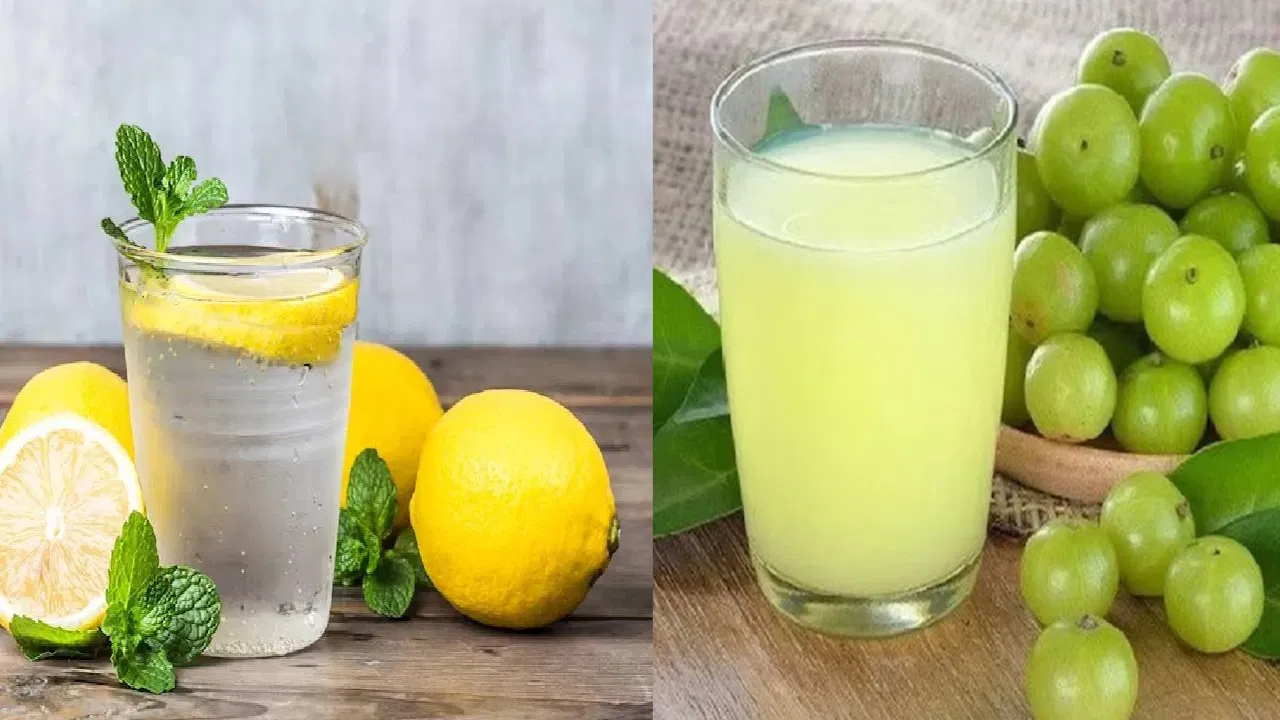
With changing lifestyles and the emergence of new viruses, strengthening the immune system has become essential to protect overall health. Vitamin C plays a crucial role in boosting immunity and many people rely primarily on lemon water to meet their daily requirement. However, scientific findings indicate that while both amla (Indian gooseberry) and lemon contain Vitamin C, there is a significant difference in their concentration levels.
Amla, widely known as Indian gooseberry and revered in Ayurveda as a “divine fruit,” is recognized for its exceptional nutritional value. Approximately 100 ml of amla juice contains between 625 and 930 mg of Vitamin C, and in some varieties, the content may even reach up to 1000 mg. Consuming just 10–20 ml of amla juice can provide more than the average daily requirement of Vitamin C for an adult. This makes amla particularly beneficial for individuals prone to frequent infections. In comparison, 100 ml of lemon juice contains only about 53 mg of Vitamin C, while a medium-sized lemon provides approximately 25–30 mg.
Therefore, relying solely on lemon water may not be sufficient for significantly boosting immunity. To match the Vitamin C levels found in amla, one would need to consume multiple lemons. While lemon water is beneficial for hydration and mild digestive support, experts recommend prioritizing amla juice for stronger immune defense, enhanced antioxidant support and protection against viral infections. Including a small quantity of amla juice mixed with water in your daily morning routine may yield faster and more effective results.
Disclaimer: The information provided here is for general awareness purposes only. We do not assume any responsibility for its application. Individuals with existing health conditions should consult a qualified doctor or nutritionist before making dietary changes.















Comments (0)
No comments yet
Be the first to comment!