

Technology

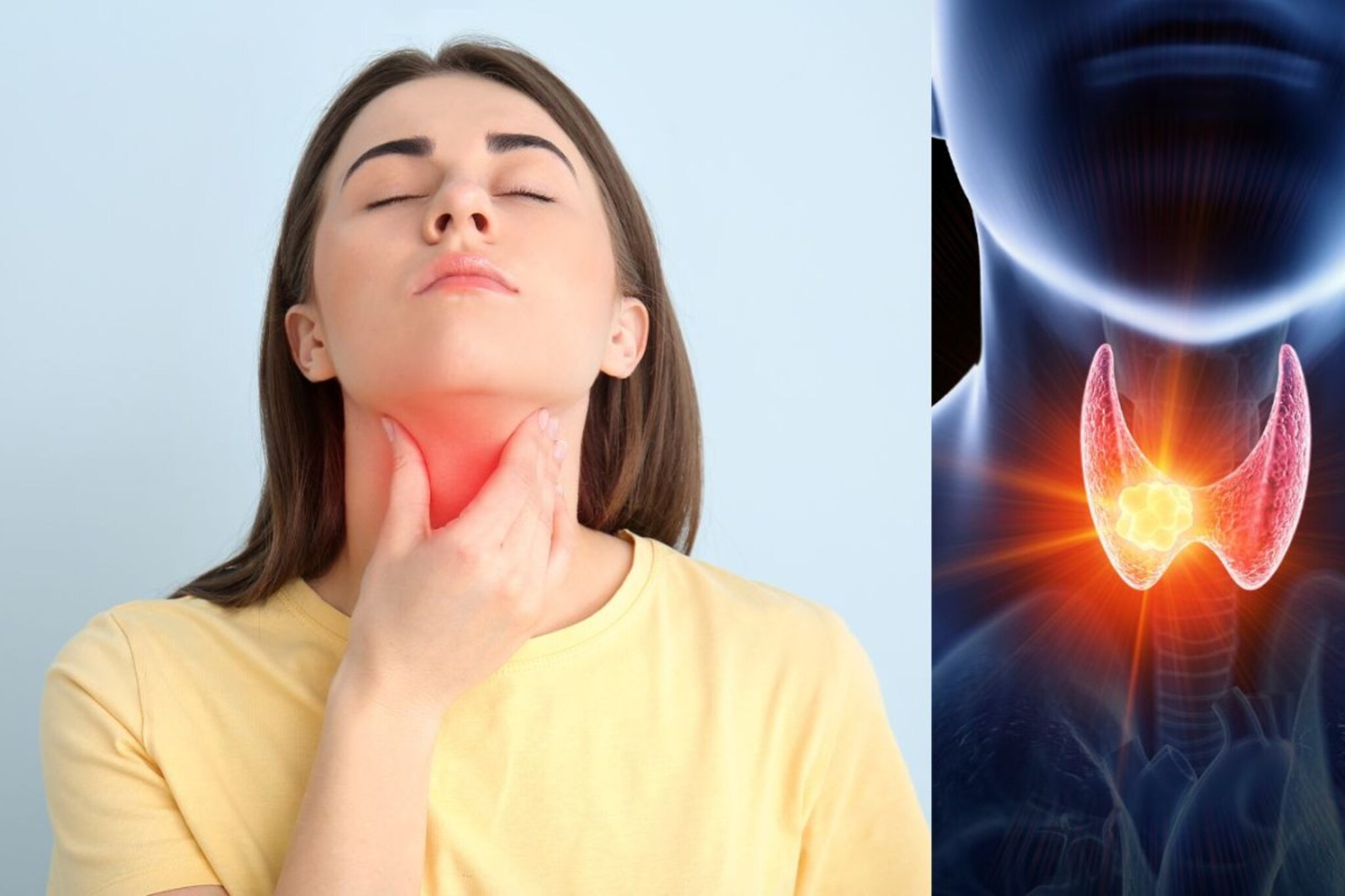
Although the thyroid gland is small in size, it regulates nearly every system in the body, including metabolism, temperature, mood, heart rate, and energy levels. According to endocrinologist Dr. Nandini Shankara Narayana, while diet alone cannot cure or cause thyroid disease, it significantly influences thyroid function and the effectiveness of thyroid medication.
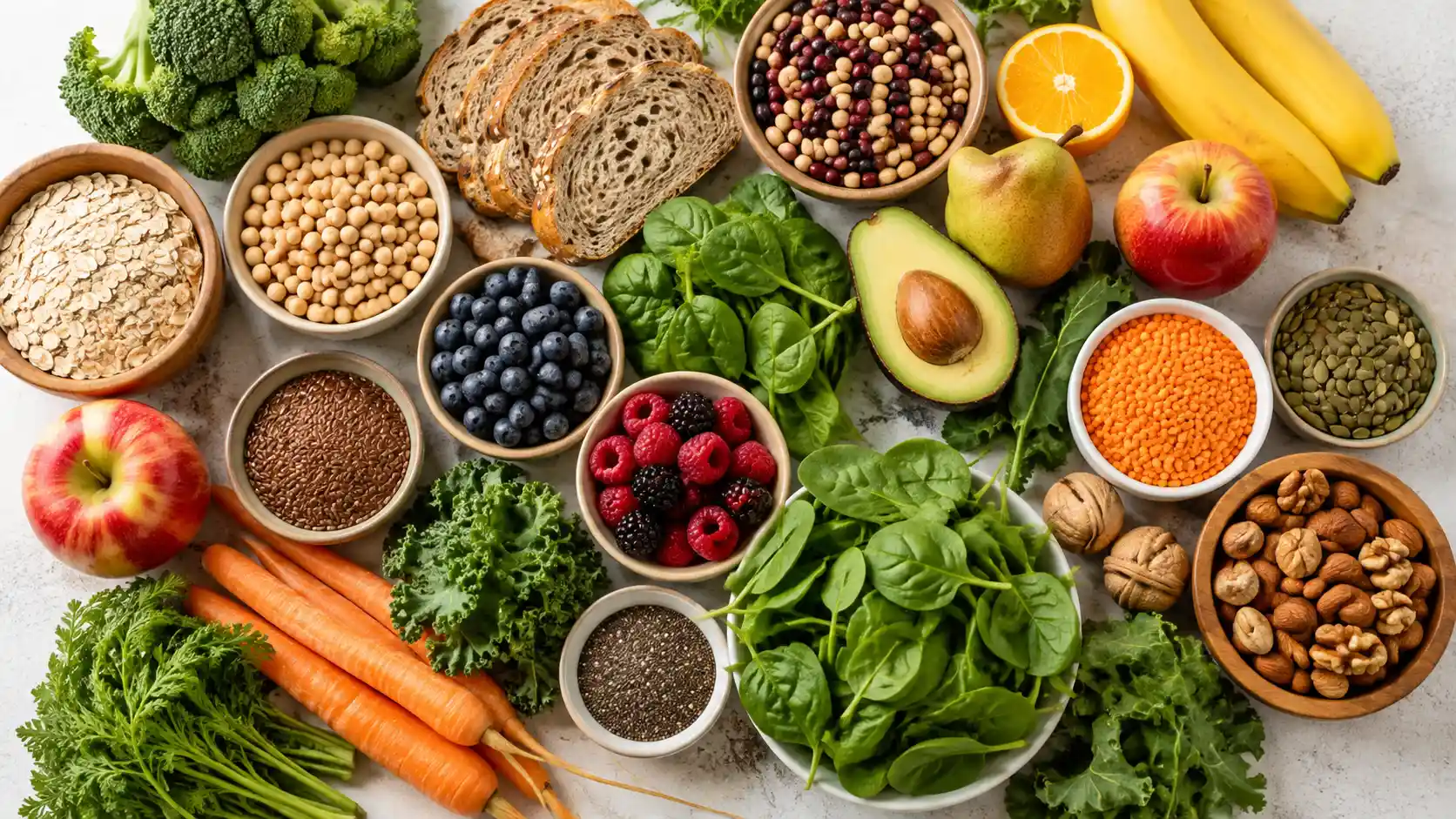
Key nutrients such as iodine, selenium, and zinc play an essential role in thyroid health. Iodine, found in iodized salt, dairy, eggs, and seafood, is crucial for hormone production, while selenium helps activate thyroid hormones and protect the gland from oxidative stress. Zinc supports hormone production and can be obtained from pulses, seeds, nuts, and tofu.
Experts also warn against misinformation spread on social media regarding foods like broccoli, cauliflower, and cabbage. These contain goitrogens, but when cooked and consumed in moderation, they are safe for individuals with adequate iodine intake. The real concern is ultra-processed foods, which worsen fatigue, obesity, and insulin resistance, indirectly aggravating thyroid symptoms.
Doctors further emphasize the correct use of thyroid medication. Tablets should be taken on an empty stomach in the morning, with a 30–60 minute gap before consuming tea, coffee, or food. Foods like soy, calcium, iron supplements, and high-fiber meals can interfere with absorption.
There is no special “thyroid diet” or detox that cures the condition. A balanced diet, regular medical monitoring, and avoiding misinformation remain the most reliable approach to managing thyroid health.
Note: People with severe anemia should consult a doctor and undergo proper blood tests before taking iron supplements or medications.















Comments (0)
No comments yet
Be the first to comment!