
General


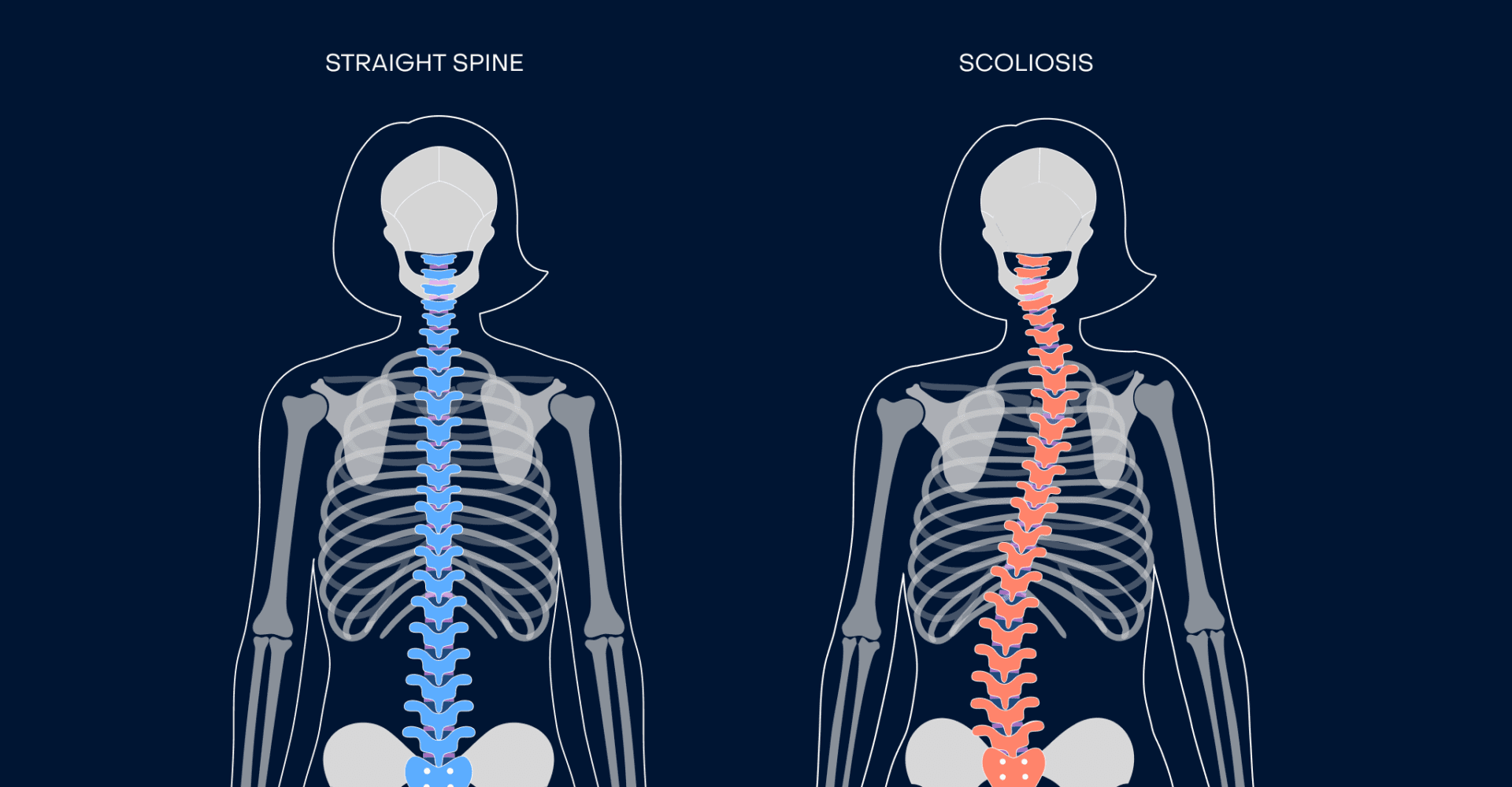
Scoliosis is a spinal condition in which the spine curves sideways, forming an "S" or "C" shape instead of remaining straight. It is most commonly diagnosed in children between the ages of 10 and 15, although it can affect people of any age. According to neurosurgeon Dr. Sayuj Krishnan S, the exact cause is unknown in many cases, a condition known as idiopathic scoliosis. Congenital spinal abnormalities, neuromuscular disorders, age-related changes, and connective tissue disorders may also contribute to the condition.
Early-stage scoliosis often develops without pain, making regular screening important. Common signs include uneven shoulders, an uneven waist, one hip appearing higher than the other, and a visible curve in the spine. Severe cases may lead to back pain, muscle fatigue, reduced flexibility, and breathing difficulties. Diagnosis is confirmed through physical examination and X-rays. Treatment depends on the severity and may include regular monitoring, braces, physiotherapy, scoliosis-specific exercises, or surgery. Experts stress that early diagnosis significantly improves treatment outcomes, while heavy school bags or poor posture do not cause scoliosis.
Note: This article is for general informational purposes only and should not be considered medical advice. Please consult a qualified healthcare professional for diagnosis and treatment.










Comments (0)
No comments yet
Be the first to comment!