
Movies


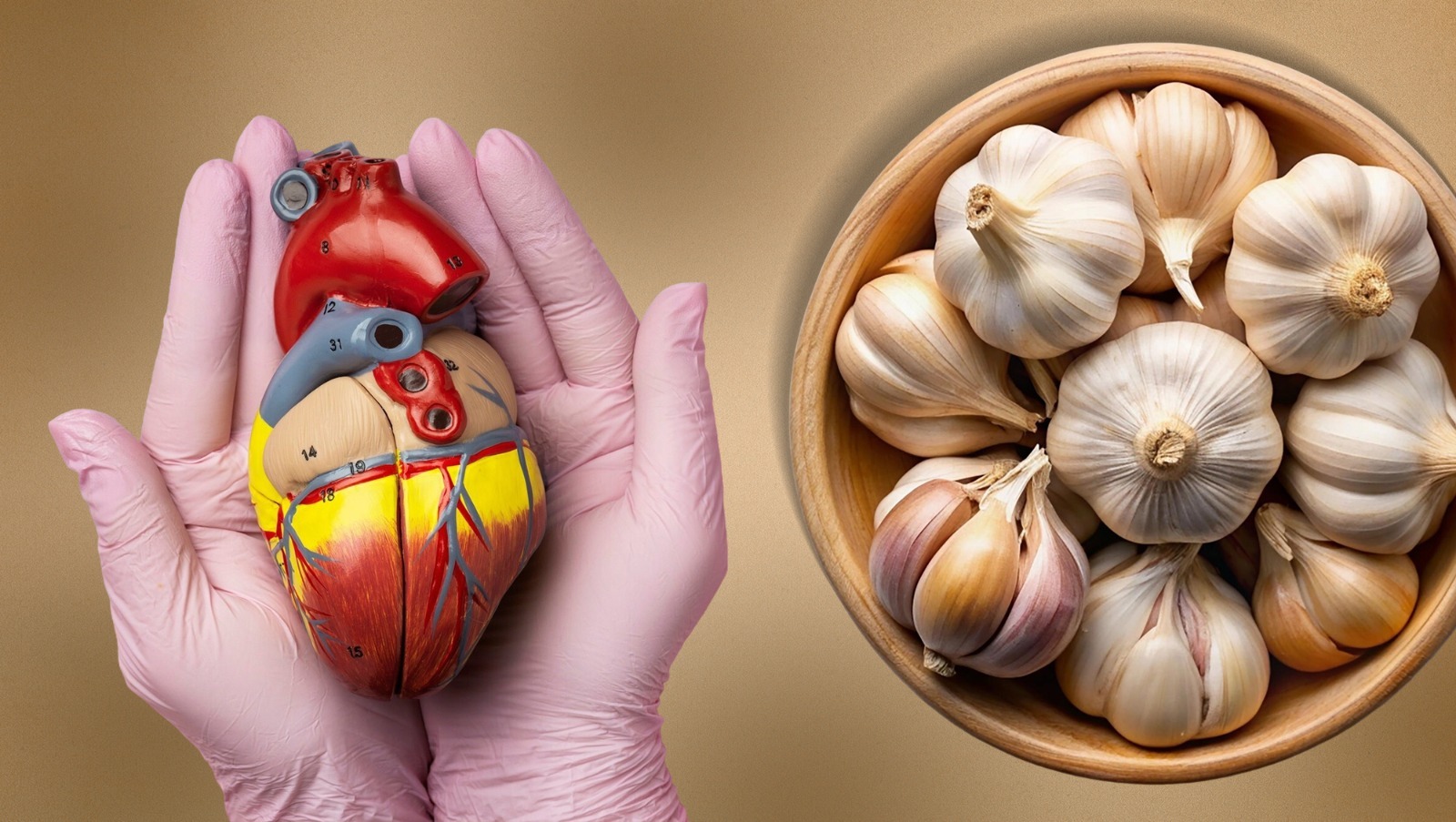
Garlic has long been associated with several potential health benefits, and maintaining a healthy diet and lifestyle can help reduce the risk factors linked to heart disease and stroke. A stroke occurs when blood supply to part of the brain is blocked or when a blood vessel in the brain bursts, depriving brain cells of oxygen and nutrients. Experts stress that controlling blood pressure, staying physically active and following a balanced diet are important for reducing stroke risk.
When garlic is crushed or chopped, it produces allicin, a sulfur containing compound that has been studied for its potential cardiovascular benefits. Research suggests that garlic may help support healthy blood pressure and cholesterol levels in some people. It may also have effects on blood clotting. However, garlic should not be considered a guaranteed way to prevent stroke, and people taking blood thinning medicines should consult a doctor before consuming large amounts of garlic.
For those who wish to include garlic in their diet, chopping or crushing it and allowing it to sit for about five to ten minutes before eating or cooking may help preserve more of its allicin. Raw garlic contains more active compounds than heavily cooked garlic, as high heat can reduce allicin formation or availability. However, raw garlic may cause stomach irritation in some people, so it is better to consume it according to individual tolerance. Regular medical check ups, a healthy diet, exercise and proper management of blood pressure and cholesterol remain essential for stroke prevention.
Note: This information is for general awareness purposes only. If you have any health related doubts or concerns, please consult a qualified doctor and follow their advice.














Comments (0)
No comments yet
Be the first to comment!