

Business


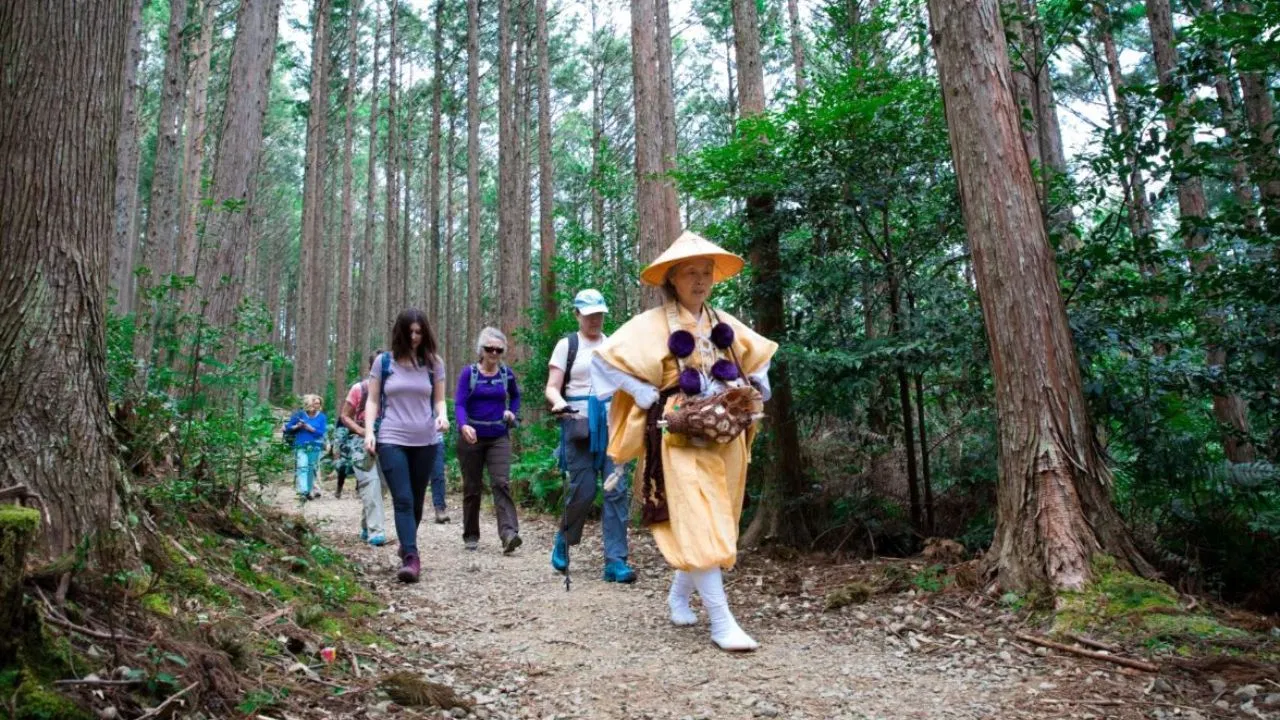
Japanese walking primarily focuses on maintaining an upright spine and strengthening core muscles. Keeping the head and shoulders aligned in a straight posture reduces pressure on the joints, making every step a powerful form of exercise. This approach also includes Japan’s traditional ‘Namba’ technique, where the upper body is not overly twisted and the arms and legs move in coordination. This helps in covering longer distances quickly with less energy. Additionally, ‘power walking’, which involves varying walking speeds, boosts metabolism and delivers benefits similar to running while reducing stress on the knees.
The Japanese also associate this practice with ‘Shinrin-yoku’ (forest bathing), a natural form of mindful walking. Synchronizing breathing with steps helps reduce cortisol levels, the stress hormone, leading to mental calmness. Swinging the arms at a 90-degree angle activates upper body muscles and increases calorie burn. This structured walking routine also improves digestion after meals and helps regulate blood sugar levels. It requires no special equipment or gym membership just a good pair of shoes. Walking while exploring surroundings also enhances physical health, mental well-being and social connection. Japanese walking is not just exercise but a complete lifestyle transformation.
Note: The above information is for awareness purposes only and should not be considered medical advice. Please consult a doctor before making any dietary or lifestyle changes.


















Comments (0)
No comments yet
Be the first to comment!