

General


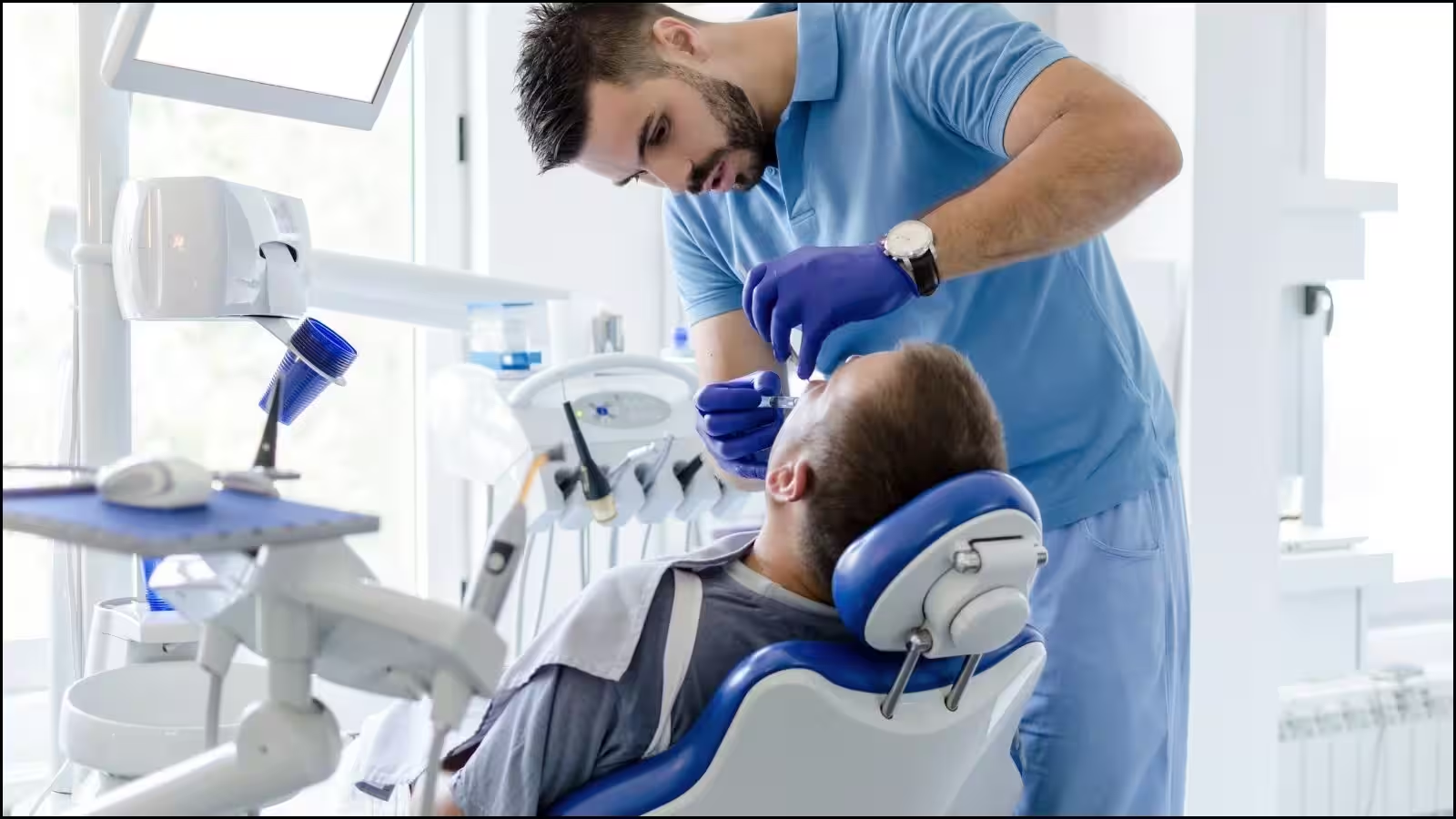
A brighter smile may look appealing, but teeth whitening is not simply a matter of choosing the strongest whitening product. The reason behind tooth discoloration and the condition of the teeth should be considered before undergoing any whitening treatment.
Doctor’s Advice: When Does Teeth Whitening Work?
Teeth whitening is a cosmetic dental procedure designed to make natural teeth appear lighter. It can be useful for surface stains caused by tea, coffee, tobacco, certain foods and ageing. However, not every yellow or dark tooth will respond equally well.
Surface stains are located on the outer part of the tooth and generally respond better to whitening. Discoloration originating inside the tooth can have different causes, including certain medications, excessive fluoride exposure, dental injuries or problems during tooth development. In such cases, whitening alone may not produce the expected result.
Whitening toothpastes and strips may help reduce mild surface stains, but their results can vary. Social media remedies involving lemon juice, baking soda or salt should not be used routinely, as abrasive or acidic substances may affect enamel and increase tooth sensitivity.
Doctor’s Advice: Who Should Be Careful?
Professional whitening performed under dental supervision is generally considered safe, although temporary sensitivity or mild gum irritation can occur. Using whitening products more frequently or in larger quantities does not necessarily produce better results and may increase discomfort.
Children, pregnant women, breastfeeding mothers and people with cavities or gum problems should seek dental advice before considering whitening. Another important factor is the presence of crowns, veneers and fillings. These restorations do not whiten in the same way as natural teeth, which can leave a visible colour difference after treatment.
A dental examination before whitening can therefore help identify the cause of discoloration and determine whether the procedure is appropriate.
Note
This article is intended for general awareness and does not replace professional dental evaluation. Whitening should be carried out according to appropriate dental guidance, particularly when existing oral health problems or dental restorations are present.
















Comments (0)
No comments yet
Be the first to comment!