

General


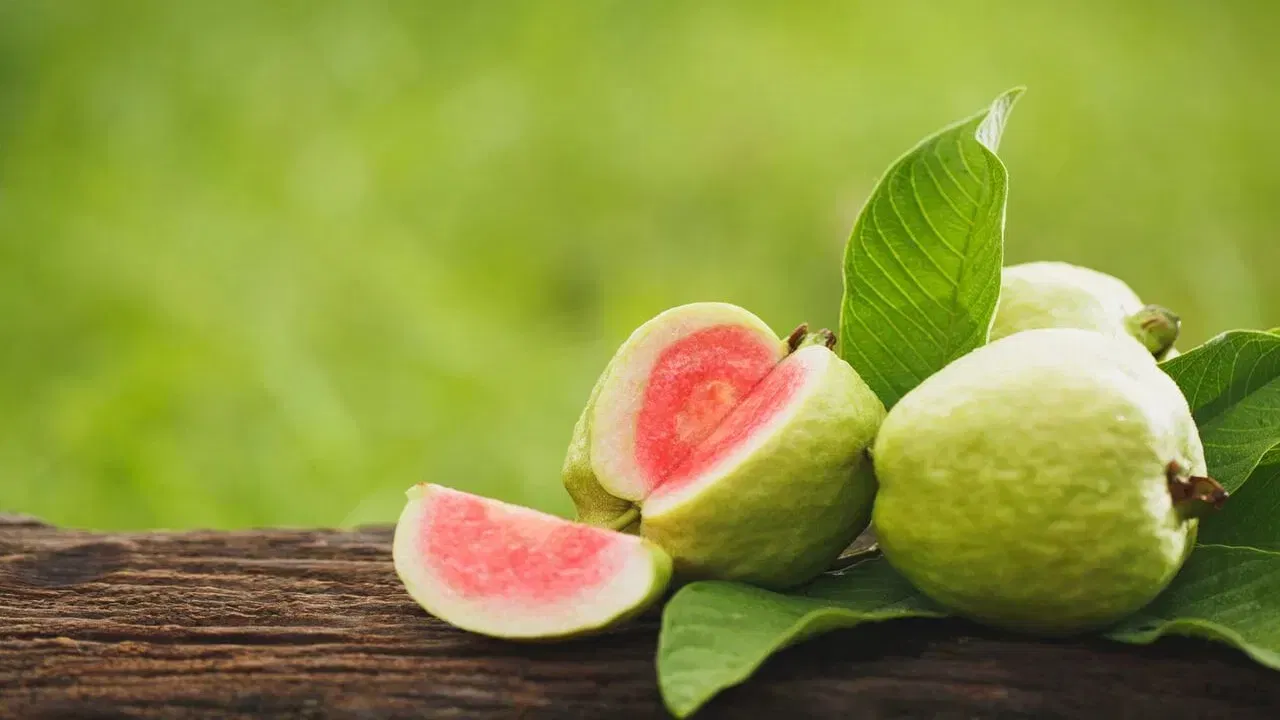
Guava holds a special place among fruits that offer high nutrition at a low cost. Rich in vitamins C, A, B and K along with dietary fiber, guava is often referred to as the “poor man’s apple.” However, many people have a common doubt about whether guava should be eaten with its peel or after removing it. Addressing this, renowned nutritionist Deepshika explained that consuming guava along with its peel is more beneficial for health. The peel contains essential micronutrients such as potassium, zinc and vitamin C, which help improve skin health and strengthen the immune system.
Guava is also highly beneficial for people suffering from conditions such as high blood pressure, diabetes and high cholesterol. According to certain studies, eating guava without removing the peel can help regulate blood sugar levels due to its high fiber content. Although both raw guava and ripe guava are nutritious, experts suggest choosing between them based on individual health needs. Those aiming to lose weight or improve dental health may benefit more from consuming slightly raw guava, which is also considered helpful for people with diabetes.
On the other hand, ripe guava is soft and sweet, making it easier for children and elderly individuals to consume. It is easily digestible and provides a rich supply of vitamin C and antioxidants. Experts also state that including guava in the diet can help improve heart health in older adults. The polyphenols and flavonoids present in guava help reduce inflammation in the body and protect against heart-related issues. Overall, guava is healthy regardless of how it is consumed, but it is advisable to choose between raw or ripe guava depending on one’s body type and health condition. Most importantly, consuming it with the peel ensures that the body receives its full range of nutrients.
Note: The information provided here is for awareness purposes only. We do not take responsibility for its application. If you have any health concerns, it is advisable to consult a doctor or a qualified nutritionist and follow their professional guidance.















Comments (0)
No comments yet
Be the first to comment!