

General


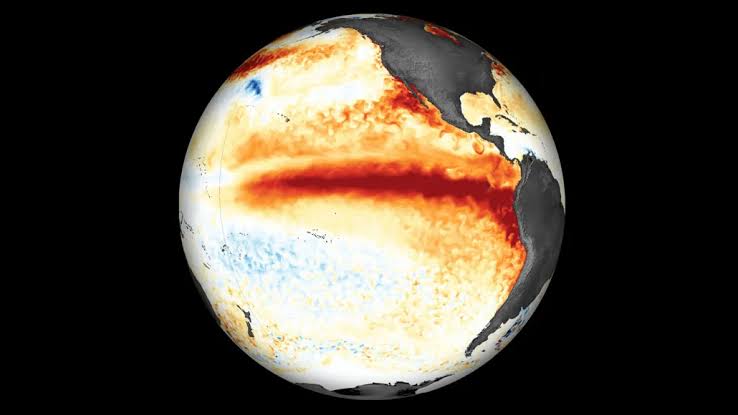
The El Niño phenomenon is strengthening as sea surface temperatures continue to rise across the central and eastern tropical Pacific Ocean. Scientists expect the warming to intensify further in the coming months. The World Meteorological Organization (WMO) has forecast exceptionally high Pacific sea surface temperatures during October–December 2026, with El Niño potentially reaching its peak around December.
El Niño can influence weather patterns around the world by changing rainfall distribution and increasing the likelihood of above average temperatures in many regions. Depending on the region, it may raise the risk of droughts or flooding. Scientists are monitoring the developing conditions and their potential effects on agriculture, water resources and communities. However, the impacts can vary by location, so regional weather forecasts remain important.














Comments (0)
No comments yet
Be the first to comment!