
Gossips


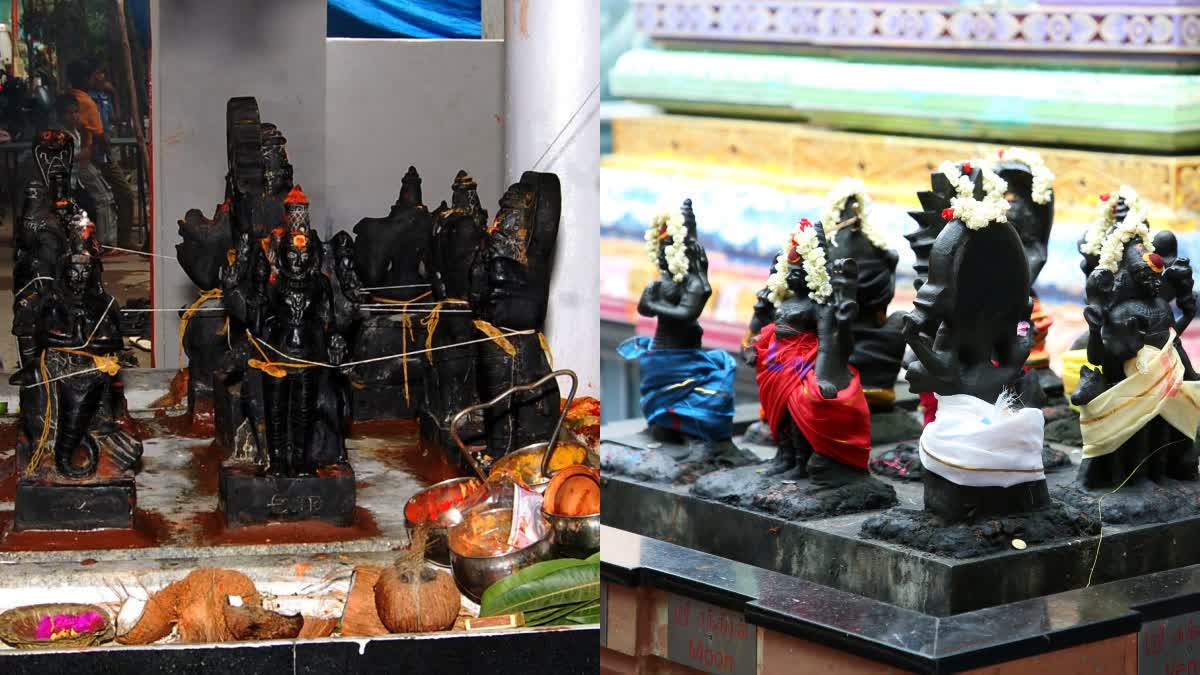
Visiting a temple to offer prayers and seek blessings is an important part of Hindu tradition. In many Shiva temples, devotees worship the Navagrahas after having darshan of the main deity. Navagraha refers to the nine celestial entities recognised in Hindu astrology: Surya, Chandra, Mangala, Budha, Brihaspati, Shukra, Shani, Rahu and Ketu. Although these entities are not all classified as planets in modern astronomy, they hold an important place in traditional astrological beliefs. The number nine is also considered significant in numerology and Hindu tradition, with references to the nine openings of the human body. According to astrological beliefs, the nine grahas are associated with different aspects of life and are believed to influence the experiences and fortunes of individuals.
Each Navagraha is traditionally associated with particular qualities. Surya represents energy, confidence and vitality, while Chandra is linked to the mind and emotional well-being. Mangala is associated with courage and determination, and Budha with intelligence, education and communication. Brihaspati is regarded as the planet of wisdom, spiritual growth and prosperity, while Shukra is associated with love, beauty and material comforts. Shani represents discipline, responsibility and the consequences of one's actions. Rahu is traditionally linked to confusion and unexpected obstacles, while Ketu is associated with spiritual detachment and past-life karma. Devotees believe that worshipping the Navagrahas can help them face challenges with courage and seek peace and well-being. Traditional practices include reciting Navagraha prayers and performing nine or eleven pradakshinas around the Navagraha shrine. These are religious customs based on Hindu astrological beliefs, rather than scientifically established methods of influencing life events.











Comments (0)
No comments yet
Be the first to comment!