General


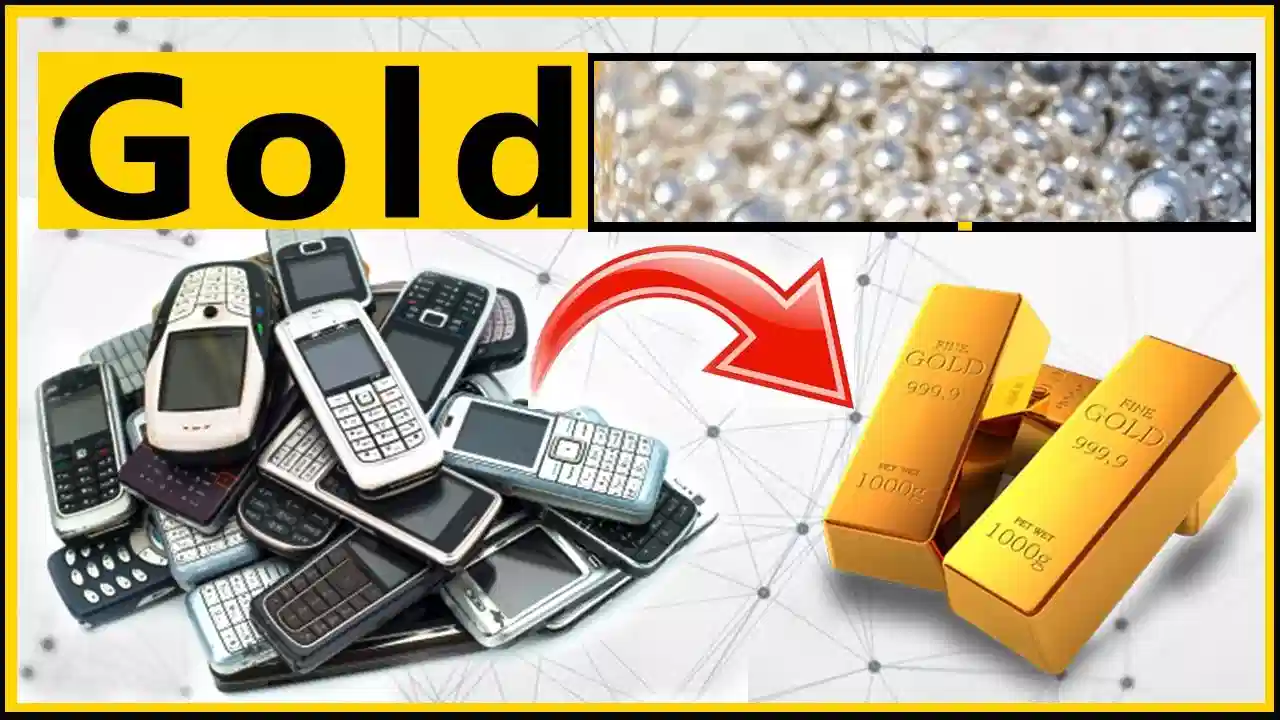
A smartphone may look like a simple electronic device, but it contains several valuable minerals and metals that are essential for its functioning. Gold, silver, copper, tantalum, cobalt, lithium, graphite, nickel, rare earth elements and silicon are among the key materials used in smartphones. Gold, typically used in very small quantities, is valued for its excellent conductivity and resistance to corrosion. Silver is used in circuit boards, switches, solder and connection points, while copper plays a major role in wiring, signal transmission, batteries and thermal management. Tantalum is used in compact capacitors that help regulate power for processors, memory chips and radio-frequency circuits.
Several other minerals are equally important to a phone’s performance. Cobalt is a key component of lithium-ion batteries, helping improve their stability and safety, while lithium enables rechargeable batteries to store energy efficiently. Graphite is mainly used as the negative electrode material in lithium-ion batteries and also helps with thermal management. Nickel is used in batteries and microelectronics, while rare earth elements contribute to displays, speakers, vibration motors and camera components. Silicon forms the foundation of processors and memory chips and is also used in display glass and protective sealing materials. The availability and prices of these critical minerals can therefore influence smartphone manufacturing costs and, ultimately, device prices.












Comments (0)
No comments yet
Be the first to comment!