General


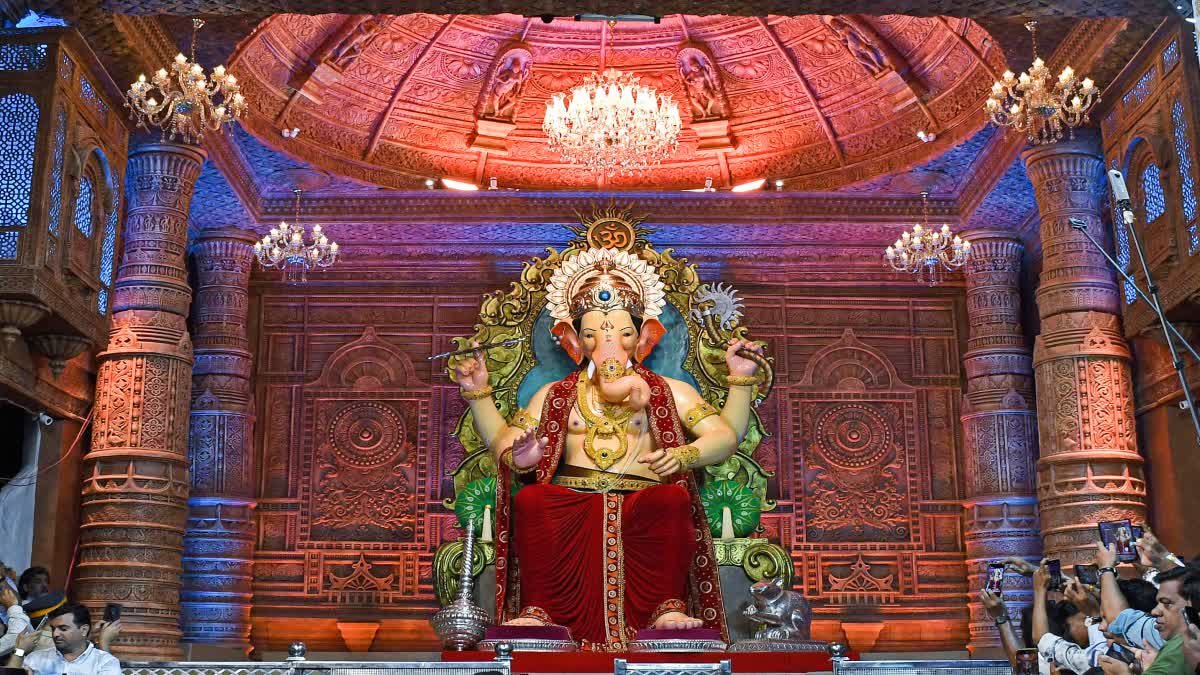
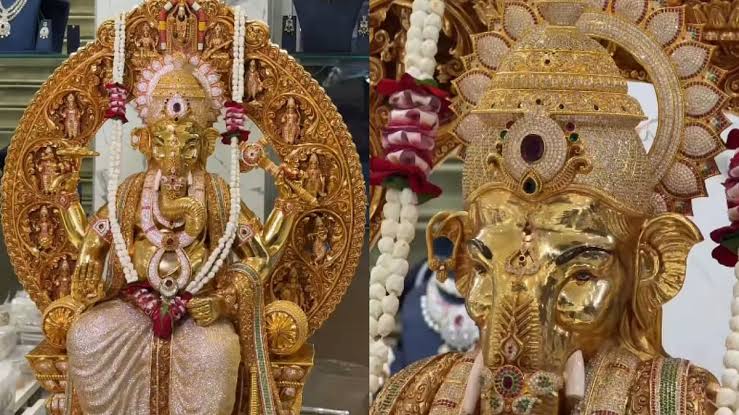
Lord Ganesha is one of the most widely worshipped deities in Hindu tradition and is traditionally regarded as the remover of obstacles and a symbol of wisdom and prosperity. The Shiva Purana, Mudgala Purana and Ganesha Purana contain various accounts explaining the significance of Ganapati and his form. According to the Mudgala Purana tradition, the form of Ganesha is associated with the sacred Omkara or Pranava. This is also connected with the practice of worshipping Ganesha before beginning important activities.
Ganapati’s form is traditionally interpreted as a representation of different qualities. His single tusk is associated with unity, concentration and overcoming dualities, while the elephant head represents immense knowledge and wisdom. His large ears are said to signify attentive listening, small eyes indicate concentration and the large belly represents the maturity to absorb and process different experiences. The Mudgala Purana also describes 32 forms of Ganesha, including Bala Ganapati, Taruna Ganapati, Bhakta Ganapati, Siddhi Ganapati, Maha Ganapati, Lakshmi Ganapati, Vighna Ganapati and Heramba Ganapati. Ganapati worship also includes the traditional offering of 21 varieties of leaves, known as Patri, with Durva grass considered especially significant.
Note:
The spiritual meanings and traditional practices mentioned here are based on Hindu scriptures, religious traditions and beliefs. They may not have modern scientific evidence. Readers may consider these details according to their personal faith and consult qualified scholars or experts for further information.







Comments (0)
No comments yet
Be the first to comment!