
Business


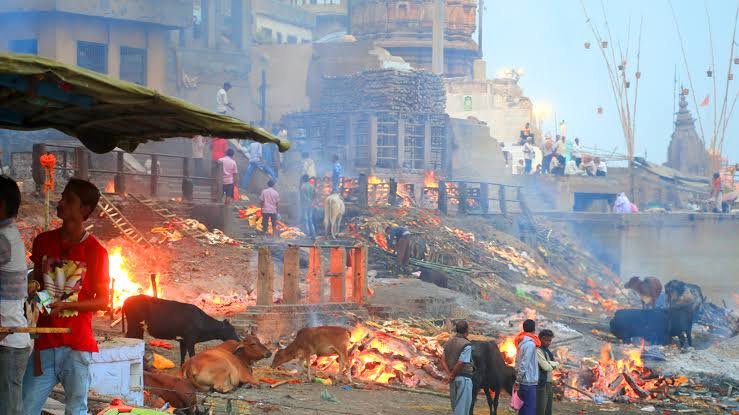
Kashi, also known as Varanasi, is regarded as one of Hinduism’s most sacred cities. Beyond its famous temples, the city is deeply associated with life, death and spiritual liberation. The River Ganga, Kashi Vishwanath Temple and Manikarnika Ghat hold special significance for devotees. According to certain Hindu traditions, dying in Kashi is considered spiritually auspicious and is believed to offer a path towards moksha, or liberation from the cycle of birth and death. This belief has been passed down through generations and continues to draw devotees to the holy city.
Lord Shiva is central to Kashi’s spiritual identity. Kashi Vishwanath Temple is one of the twelve traditionally recognised Jyotirlinga shrines dedicated to Shiva. According to religious beliefs, Shiva grants spiritual liberation to those who die in Kashi by imparting the sacred Taraka Mantra. Manikarnika Ghat is another important site where Hindu funeral rites are performed along the Ganga. The rituals observed here reflect traditional Hindu perspectives on death as a natural part of existence and the soul’s spiritual journey.
Kashi also has facilities such as Mukti Bhawan and Mumukshu Bhawan, which have been associated with people wishing to spend their final days in a spiritual environment. Some residents spend their time praying, chanting and participating in religious activities. However, not everyone visits Kashi for this reason; many come for temple worship, Ganga Aarti, pilgrimage and cultural experiences. The belief that death in Kashi leads to moksha is a religious and spiritual conviction, not a scientifically established fact. Hindu philosophical traditions also differ in their explanations of liberation and the role of devotion, karma and spiritual practice.







Comments (0)
No comments yet
Be the first to comment!