
Movies


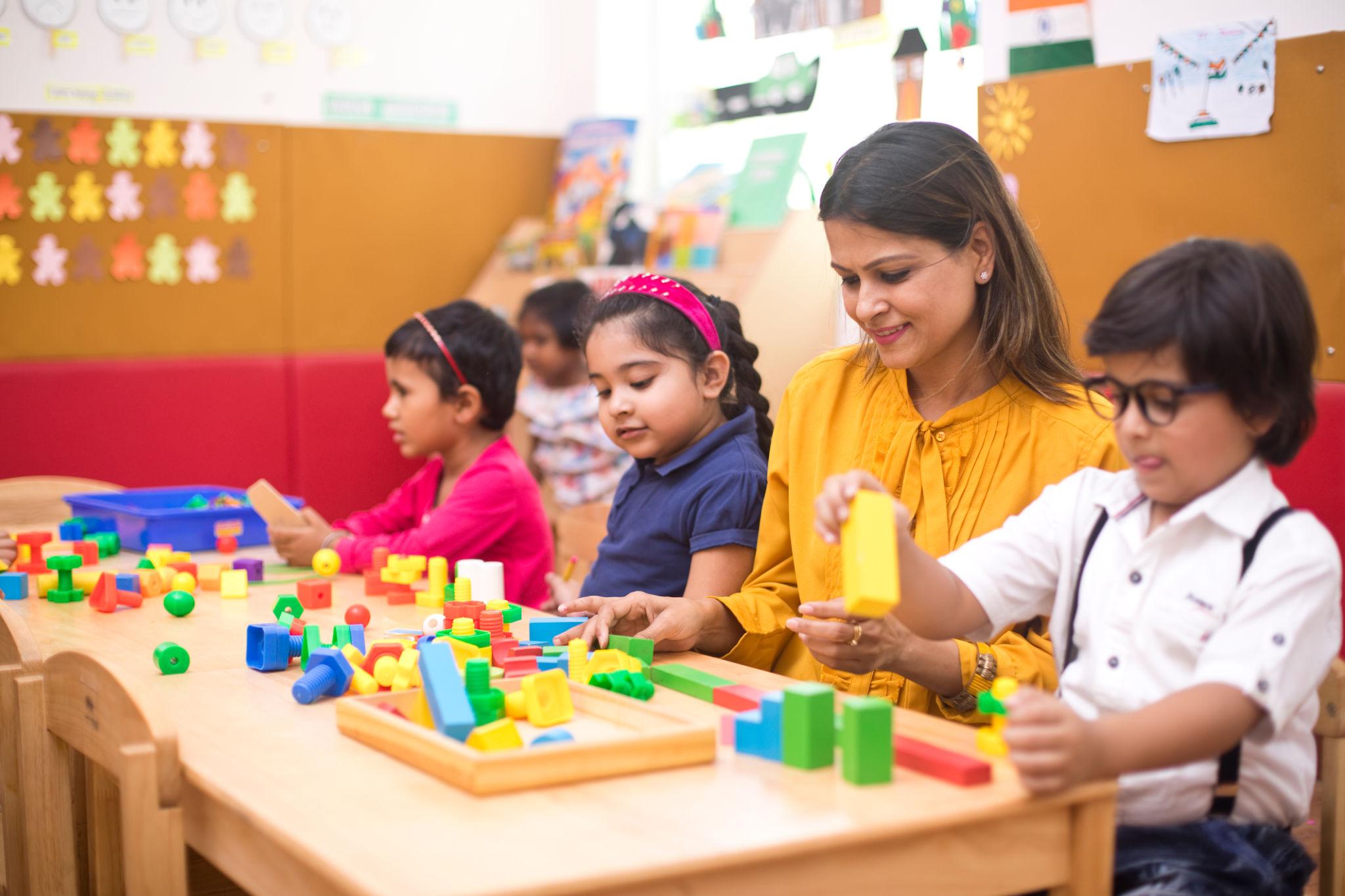
An increasing number of parents are enrolling children in preschools at the age of three, leading to a rapid rise in such institutions in cities and villages alike. However, experts stress that parents should look beyond early admission and ensure that a preschool meets the required standards. An unsafe environment, inadequately trained teachers or unqualified caregivers can affect a child’s safety, emotional well-being and early development. Preschools catering to children aged three to six should have the necessary recognition, qualified teaching staff, appropriate caregiver support and adequate sanitation facilities. Recommended standards include one teacher and one caregiver for every 20 children, safe and accessible buildings, secure boundaries, child-friendly toilets, clean drinking water, a playground, CCTV surveillance, fire-safety equipment and first-aid facilities. Learning should follow the Early Childhood Care and Education (ECCE) approach, combining age-appropriate educational materials with play-based activities.
Parents also have an important role in ensuring that their children attend a safe and supportive preschool. They should verify the institution’s recognition, teachers’ qualifications, staff background checks, fee arrangements and child-protection policies. Regular parent-teacher meetings, health records, periodic medical check-ups and transparent communication are essential. Parents should also watch for unusual changes in their children’s behaviour, fear or reluctance to attend school. Preschools should avoid physical and emotional punishment, excessive academic pressure and formal examinations for young children, while encouraging them to express themselves freely. Safe toilet supervision, restrictions on junk food and accessible complaint mechanisms are equally important. Any concerns can be raised with local education authorities or the relevant child rights commission.











Comments (0)
No comments yet
Be the first to comment!