




General


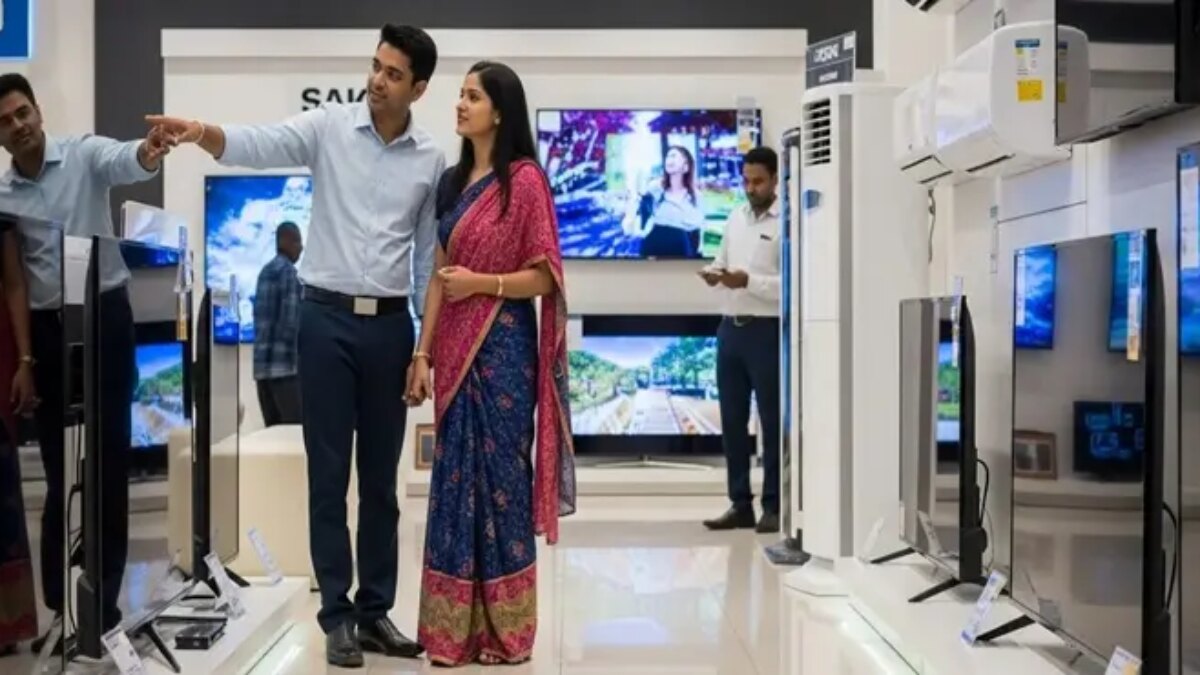
Rising memory chip (RAM) prices have already put pressure on the television manufacturing industry and the impact has been further intensified by the West Asia conflict. Costs across the supply chain from plastics to ocean freight have increased significantly, leading to higher production expenses for TV manufacturers. As a result, companies are being compelled to raise prices, which may negatively impact sales. Industry sources have expressed concerns that rising prices are pushing consumers toward “downtrading,” with buyers opting for smaller screen sizes instead of larger ones. The depreciation of the rupee has also contributed to increased production costs. However, in an effort to retain market share, several major brands are currently absorbing these additional costs instead of passing them on to consumers. Amid global uncertainties, consumers are postponing non-essential purchases, including televisions. Nevertheless, companies remain optimistic that the market could witness a recovery during the festive season in the second half of the year.
Avneet Singh, CEO of SPPL the licensee for brands such as Thomson, Kodak and Blaupunkt stated that due to rising prices, consumers are shifting from larger to smaller screen sizes. He noted that prices have increased substantially over the past six months, with a basic 32-inch TV that previously cost ₹9,000 now priced at around ₹11,000. Meanwhile, attractive financing options, particularly EMI schemes, are helping sustain demand for larger screen TVs, according to NS Satish, President of Haier India. Market estimates suggest that TV shipments may decline by 5–6% in the first quarter of 2026 and by 3–5% in the second quarter. However, analysts believe that brands with in-house component manufacturing capabilities are better positioned to withstand these pressures. The premium segment (45 inches and above) is expected to remain stable, with a modest recovery likely during the festive season.








Comments (0)
No comments yet
Be the first to comment!