




Shows


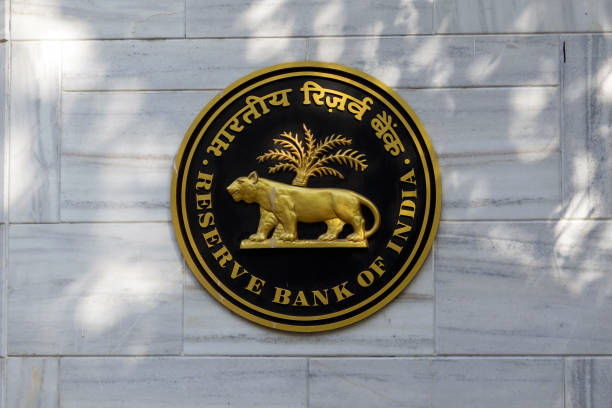
For the first monetary policy of the financial year 2026–27, economists believe that the Reserve Bank of India (RBI) is likely to keep the repo rate unchanged. Owing to the West Asia crisis and the possibility of rising retail inflation, the RBI may adopt a “wait-and-watch” approach for now. With the ongoing conflict involving Iran, Israel and the United States causing significant volatility in commodity prices and the rupee hovering near historic lows, concerns over rising inflation and slowing economic growth have intensified. A survey of economists indicates that these factors may prompt the RBI to maintain the current repo rate. The Monetary Policy Committee (MPC), led by RBI Governor Sanjay Malhotra, is set to meet and review both domestic and global economic conditions before announcing its key policy decision.
Meanwhile, global rating agency Moody’s has warned that the West Asia conflict could have a significant impact on the Indian economy. It has revised India’s GDP growth forecast for 2026–27 downward from 6.8% to 6%. The agency highlighted potential disruptions in the supply of crude oil, LPG, and fertilizers, which could lead to higher transportation costs and shortages of essential goods. Moody’s also projected that inflation could rise from 2.4% to 4.8%. It further noted that rising input costs, slowing private consumption, reduced industrial activity and a decline in investment momentum are likely to adversely affect economic growth.







Comments (0)
No comments yet
Be the first to comment!