
General


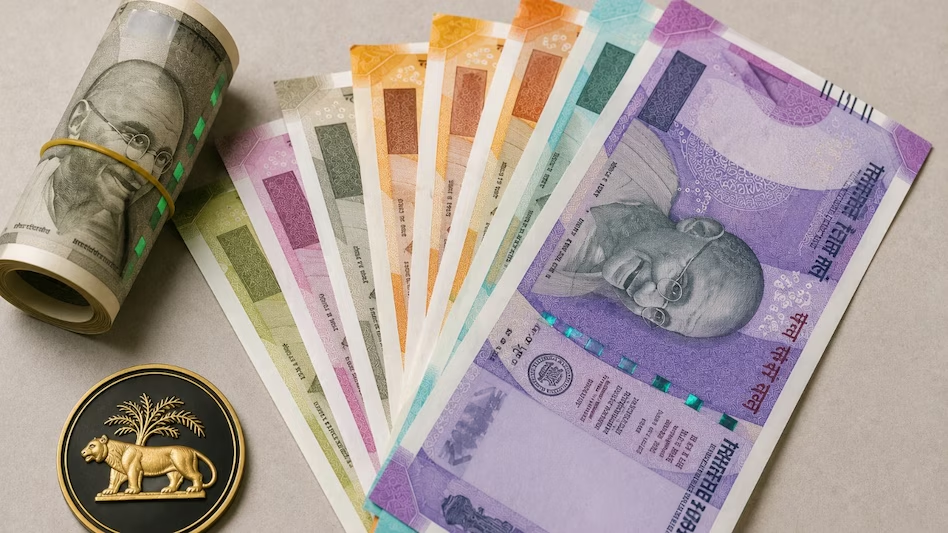
The Reserve Bank of India (RBI) is once again evaluating the possibility of introducing polymer (plastic) currency notes in the country. RBI Governor Sanjay Malhotra recently stated that the proposal is under consideration, though no final decision has been taken yet. Reports suggest that the RBI may soon launch a pilot project to assess the feasibility, benefits, and challenges of polymer notes before taking a final call.
Polymer notes are made from a special polypropylene material instead of paper. These notes are more durable, resistant to water and dust, and can last 4–5 times longer than conventional paper notes, which generally remain in circulation for 2–7 years depending on the denomination. Polymer notes also offer enhanced security features, making counterfeiting significantly more difficult. Although their printing cost is estimated to be 2–3 times higher than paper notes, experts believe they can reduce long term currency management expenses.
Despite the rapid growth of digital payments, cash usage in India continues to rise. Currency in circulation reached ₹41.68 lakh crore by March 2026, up 12% from the previous year. Currency held by the public stood at ₹40.52 lakh crore, accounting for 97% of total circulation. In 2024–25, the RBI removed and destroyed 2,380 crore damaged notes, while currency printing costs rose to ₹6,373 crore. India had earlier tested 100 crore ₹10 polymer notes in five cities in 2014, but the initiative did not move forward due to operational challenges.














Comments (0)
No comments yet
Be the first to comment!