




General


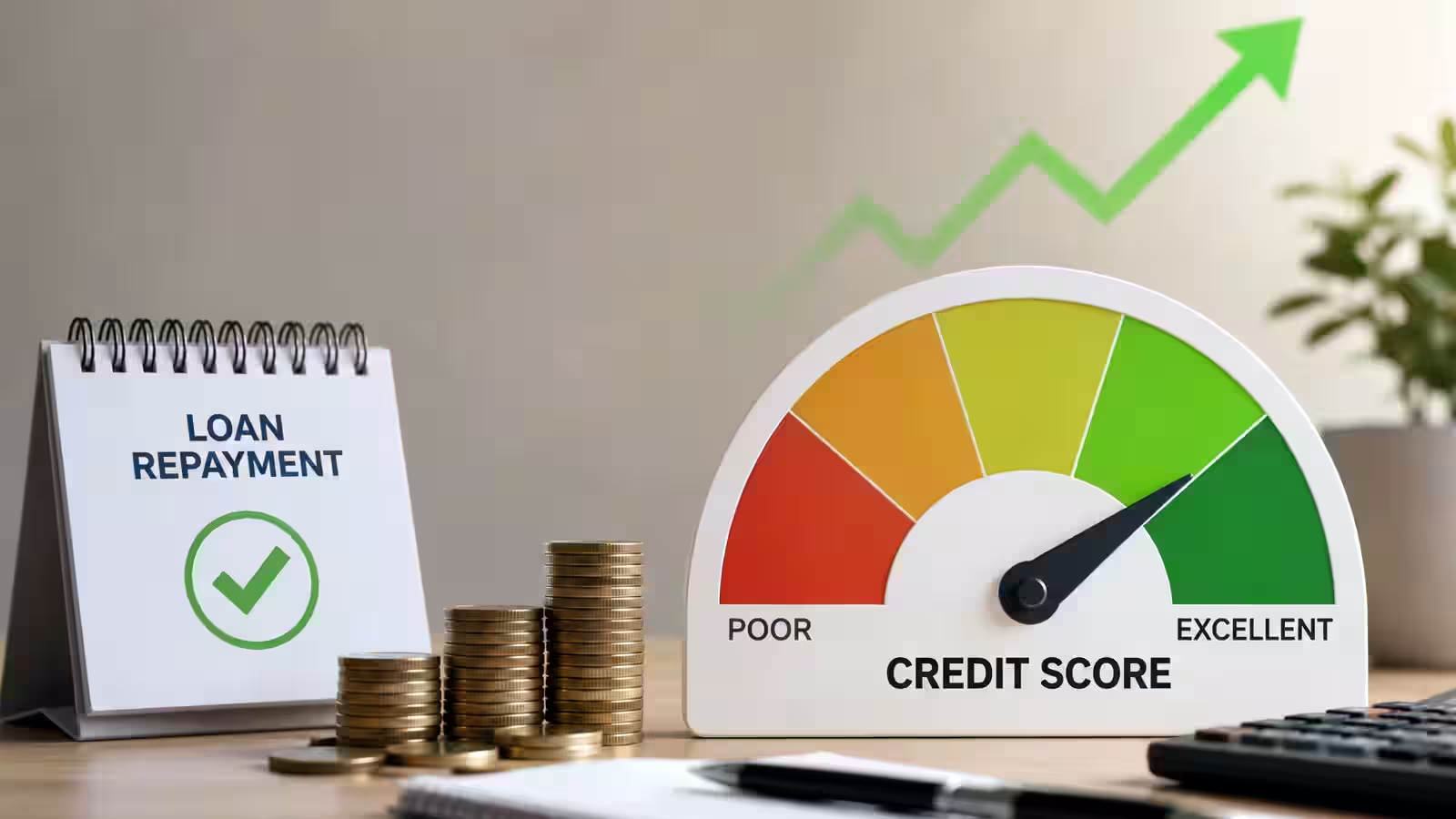
A credit score plays an important role when applying for bank loans, credit cards and other forms of borrowing. A low score can make loan approval more difficult and, in some cases, may result in higher interest rates. However, making a few changes to your financial habits can gradually improve your credit profile. Paying loan EMIs and credit card bills on time is one of the most important steps. Setting reminders or using automatic payments can help avoid missed deadlines. It is also advisable to avoid using a large portion of your credit card limit regularly.
Applying for several loans or credit cards within a short period should also be avoided. Lenders may review your credit report when processing applications, and multiple credit enquiries in a short span can affect your credit profile. If a loan application is rejected, it is better to understand the reason for the rejection and address the underlying issue before applying again. Regularly checking your credit report is equally important. Look for loans that you did not take, incorrectly reported late payments, accounts that remain active despite being closed, or inaccurate outstanding balances. Any errors should be reported to the concerned bank or financial institution and corrected.
If a lower credit score is mainly caused by delayed payments, high credit utilisation or inaccurate information in the credit report, correcting these issues may lead to visible improvement within six months. However, people with long standing dues or a history of repeated late payments may need more time to rebuild their credit profile. Maintaining timely repayments, keeping credit utilisation under control, limiting unnecessary credit applications and regularly monitoring the credit report can help improve the score over time.














Comments (0)
No comments yet
Be the first to comment!