





Business


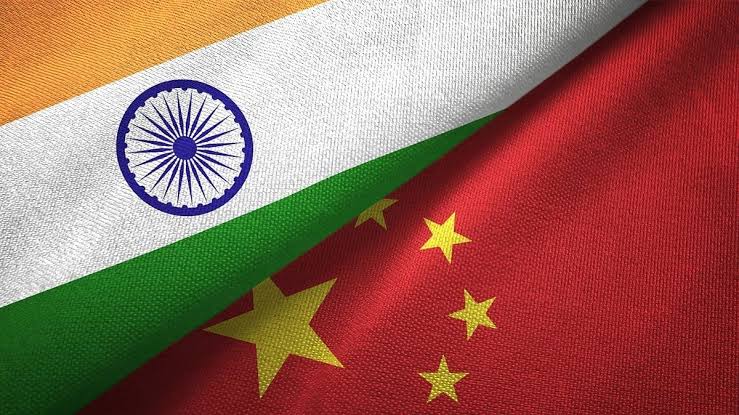
India’s Ministry of Commerce and Industry is reviewing the trade barriers and restrictions faced by Indian service exporters in China. The government is seeking feedback from industry representatives on stringent licensing requirements, data localisation rules, cybersecurity regulations, and delays in issuing visas and work permits. The review aims to identify the major challenges preventing Indian companies from expanding their services in the Chinese market.
China imports services worth approximately $300 billion annually, but India’s share stands at just $8.95 billion, according to 2024 figures. Although India has strong capabilities in information technology, IT-enabled services and digital solutions, local restrictions in China make it difficult for Indian companies to provide services directly. As a result, many firms are compelled to operate through third-party agencies, limiting their direct access to Chinese customers.
The government is examining data localisation and cross-border data transfer rules, along with the compatibility between India’s Digital Personal Data Protection Act (DPDP) and China’s Personal Information Protection Law (PIPL). It is also looking into barriers related to mutual recognition agreements, certification standards, remittances, taxation and international contracts. Experts believe that visa and work permit delays, as well as talent deployment issues, are often linked to political factors. India’s share of global commercial services exports rose from 3% in 2014 to 4.3% in 2024, while annual growth in services exports reached 14% after the COVID-19 pandemic. Removing trade barriers could create significant opportunities for Indian companies in China’s digital and space services sectors.













Comments (0)
No comments yet
Be the first to comment!