

General

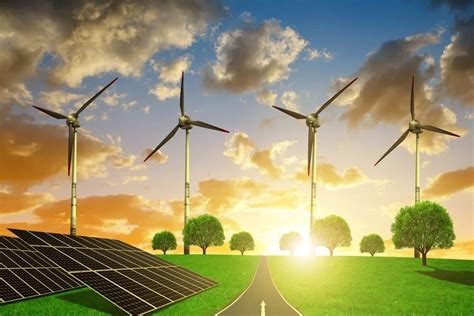
Rising geopolitical tensions and changing developments in the Gulf region have once again highlighted the vulnerability of the global energy supply system. For a country like India, which heavily depends on fossil fuel imports, energy security is not just an economic concern but a strategic priority. In this context, maximizing solar energy usage has become essential. Over the past decade, India has achieved remarkable growth in solar capacity, reaching nearly 130 GW through large solar parks and rooftop installations.
However, with increasing capacity, new challenges are emerging in integrating this power into the grid. Large-scale solar projects produce electricity at low cost but face transmission issues, as power generated in remote areas requires expensive infrastructure to reach cities. In contrast, decentralized systems like rooftop solar, supported by schemes such as PM Surya Ghar, enable local consumption, reducing grid pressure. Still, bidirectional power flow from rooftop systems is creating technical challenges and concerns for distribution companies.
Another major issue is the “duck curve” where solar power generation peaks during the day while demand rises in the evening. Solutions include energy storage systems and incentivizing daytime electricity use. Additionally, integrating solar power with electric vehicle charging infrastructure presents a promising strategy. By using surplus solar power locally for EV charging, as demonstrated in projects like the VOC Port in Thoothukudi, India can reduce costs and strengthen energy independence.












Comments (0)
No comments yet
Be the first to comment!