Business


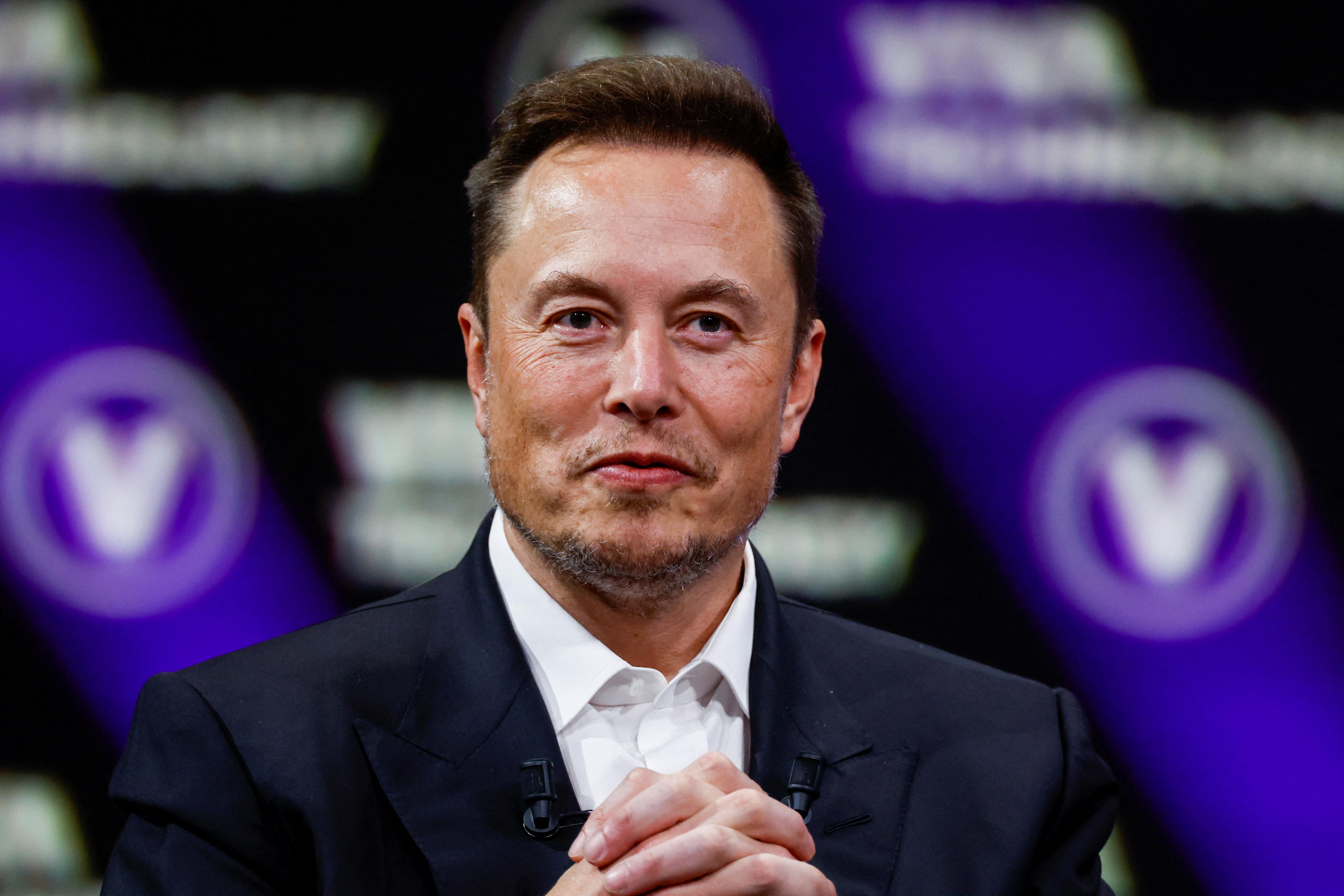
Elon Musk, the billionaire entrepreneur behind major technology ventures and the social media platform X, has repeatedly faced criticism over his comments on the domestic politics of other countries. His influence through social media, wealth and technology businesses has sparked debates about the role of powerful business leaders in democratic affairs. In the UK, Musk criticised Prime Minister Keir Starmer’s government during unrest in 2024 and made controversial remarks about the country’s political situation. In Brazil, a dispute arose after the Supreme Court ordered X to block certain accounts accused of spreading misinformation. Musk initially resisted the order, but X was later suspended in the country. The platform eventually complied with court requirements, and the dispute moved towards resolution after penalties were paid.
Musk has also drawn criticism for expressing support for Germany’s Alternative for Germany (AfD) party ahead of the 2025 election and for commenting on Canadian politics, including suggestions that some provinces could separate from the country. His decisions involving Starlink during Russia’s war against Ukraine also triggered debate over the influence of private technology companies on military operations. In the United States, Musk’s relationship with President Donald Trump shifted from political cooperation to a public dispute over government spending, electric-vehicle policies and other issues in 2025. These episodes have intensified discussions about the influence of wealthy technology leaders on national politics, public debate and international affairs.










Comments (0)
No comments yet
Be the first to comment!