
OTT



During winter, many people experience dry, cracked, and itchy skin. The cold air lowers the natural moisture levels in the skin, leading to flakiness, rough texture, and a dull appearance. Because the skin loses hydration quickly, maintaining healthy skin becomes more challenging during this season. Cold winds strip away the natural oils from the skin, causing dryness and irritation. As a result, the skin becomes weak, rough, and more prone to cracking. However, with the right diet, you can protect your skin from winter damage. Foods rich in healthy fats, antioxidants, and vitamins help maintain moisture and keep your skin glowing and healthy.
Omega–3 fatty acids are extremely beneficial for skin health. Their anti-inflammatory properties help reduce redness, itching, and skin irritation. They also prevent moisture loss from the skin, keeping it soft, hydrated, and radiant.
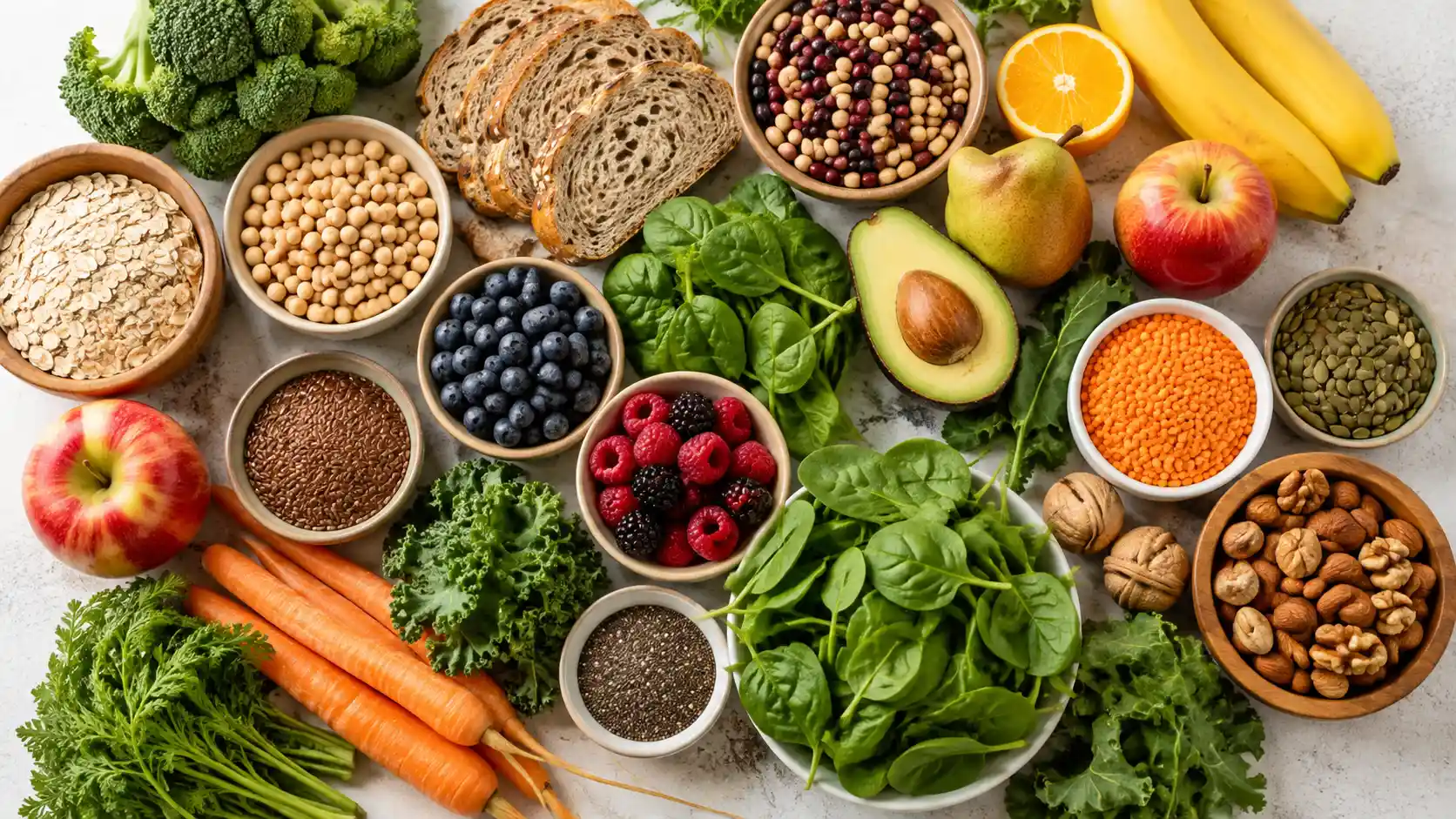
Foods rich in Omega–3 include:
Fish
Walnuts
Chia seeds
Flaxseeds
Avocado
Olive oil
Almonds
Brazil nuts
Sunflower seeds
These foods are packed with vitamin E and zinc, which strengthen skin cells and protect the skin from dryness.
Fruits and vegetables with high water content help restore hydration to the skin. Cucumber, watermelon, oranges, and coriander naturally help the skin stay moisturized. Warm soups like chicken soup or vegetable soup also provide hydration from within. Antioxidant-rich foods protect skin cells from damage and improve overall skin texture. They help in repairing skin cells and keeping the skin healthy and glowing.
Top antioxidant foods include:
Capsicum
Broccoli
Kiwi
Spinach
Carrots
Sweet potatoes
Pumpkin
Lentils
Chickpeas
These foods also help regulate the skin’s temperature and prevent dryness.
Probiotic foods are essential during winter because they help keep skin cells healthy and reduce inflammation. They strengthen the skin barrier and protect against dryness and cracking.
Best probiotic-rich foods:
Curd
Buttermilk
Milk
These foods keep the skin moisturized and smooth.
To maintain healthy skin in winter, avoid:
Excess alcohol
Too much tea or coffee
Sugary drinks
Processed foods
Reducing these helps the skin retain moisture and stay soft throughout the season.
NOTE:
This information is for awareness only. For personal health concerns, please consult a doctor
















Comments (0)
No comments yet
Be the first to comment!