

OTT


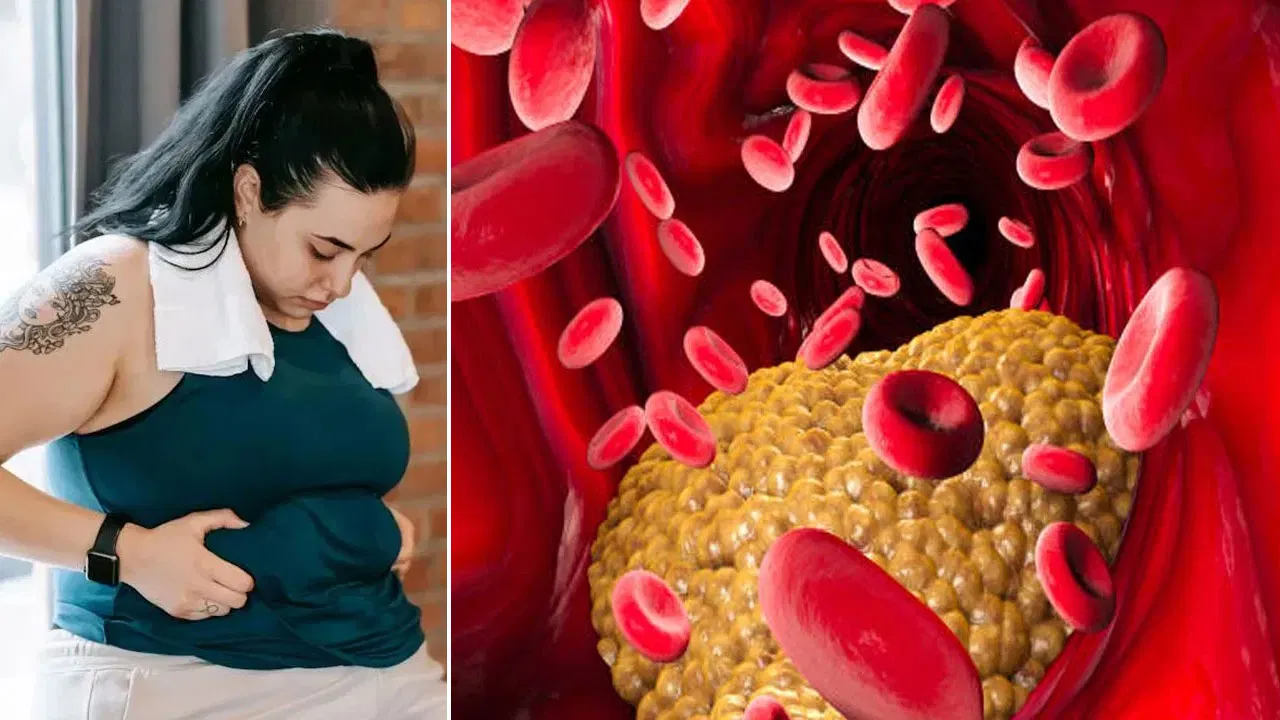
Due to today’s changing lifestyle, unhealthy eating habits, and lack of physical activity, cholesterol levels in the body are rising rapidly. Although cholesterol is a type of fat that the body requires, excessive levels can be harmful. When fat accumulates in the blood vessels, it affects blood circulation and may lead to symptoms such as fatigue, dizziness, numbness or pain in the hands and legs, shortness of breath and unusual pressure in the chest. In some cases, changes in the skin around the eyes, skin thickening or weight gain may also serve as warning signs. Without proper testing, many people mistake these symptoms for normal fatigue, allowing the condition to worsen. Long-term high cholesterol significantly increases the risk of heart disease and stroke, as fatty deposits in the arteries slow down blood flow and reduce oxygen supply to vital organs.
According to Dr. Ajay Kumar of Delhi MCD, dietary changes play a crucial role in controlling cholesterol levels. It is important to reduce the intake of fried and high-fat foods and instead include fresh fruits, vegetables, oats, peanuts and flaxseeds sources of healthy fats in the diet. Engaging in at least 30 minutes of moderate exercise daily, such as walking, yoga or cycling, is essential. Additionally, drinking plenty of water, avoiding smoking and alcohol, undergoing regular health check-ups, taking prescribed medications as advised by a doctor and practicing meditation and deep-breathing exercises to reduce stress can be highly beneficial. Even small lifestyle changes can make a significant difference in managing cholesterol levels.
The risk of high cholesterol is greater among individuals who frequently consume fried and fatty foods, those who are overweight, physically inactive, smokers and people who consume alcohol. The risk is also higher in individuals with a family history of heart disease or cholesterol-related conditions. Therefore, timely blood tests, regular monitoring of blood pressure and blood sugar levels, maintaining a healthy weight and avoiding prolonged sitting by taking short walks at intervals are strongly recommended precautions.
Note: The information provided here is for awareness purposes only. We do not assume any responsibility for its application. If you have any health concerns, please consult a qualified doctor or nutritionist and follow their professional advice.
















Comments (0)
No comments yet
Be the first to comment!