

General


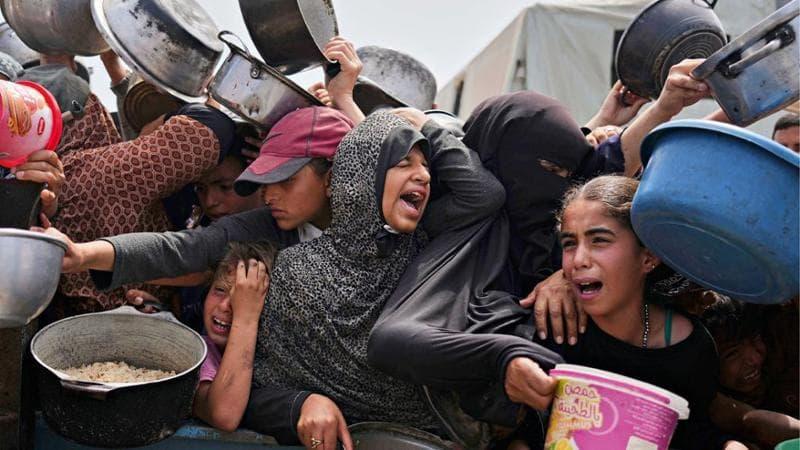
Although conflicts such as the Iran–Israel confrontation and the ongoing Russia–Ukraine war directly involve only a few nations, their consequences extend far beyond the battlefield. Wars destroy hospitals, disrupt healthcare services, damage critical infrastructure and interrupt food and medical supply chains, leaving millions vulnerable to disease, malnutrition and inadequate medical care. Historical events, including the atomic bombing of Hiroshima, have demonstrated that wars can leave generations suffering from cancer, radiation-related illnesses, congenital disorders and long-term psychological trauma.
The humanitarian impact of war also includes environmental pollution, contaminated water sources, food shortages, the spread of infectious diseases and severe mental health disorders such as post-traumatic stress disorder (PTSD). Women, children and the elderly remain the most vulnerable during conflicts. The destruction of sanitation systems, healthcare facilities and vaccination programmes further aggravates public health crises. Global health experts stress that international cooperation, stronger humanitarian assistance and sustained peace efforts are essential to minimise the long-term health consequences of armed conflicts and ensure a safer future.
















Comments (0)
No comments yet
Be the first to comment!