
Gossips


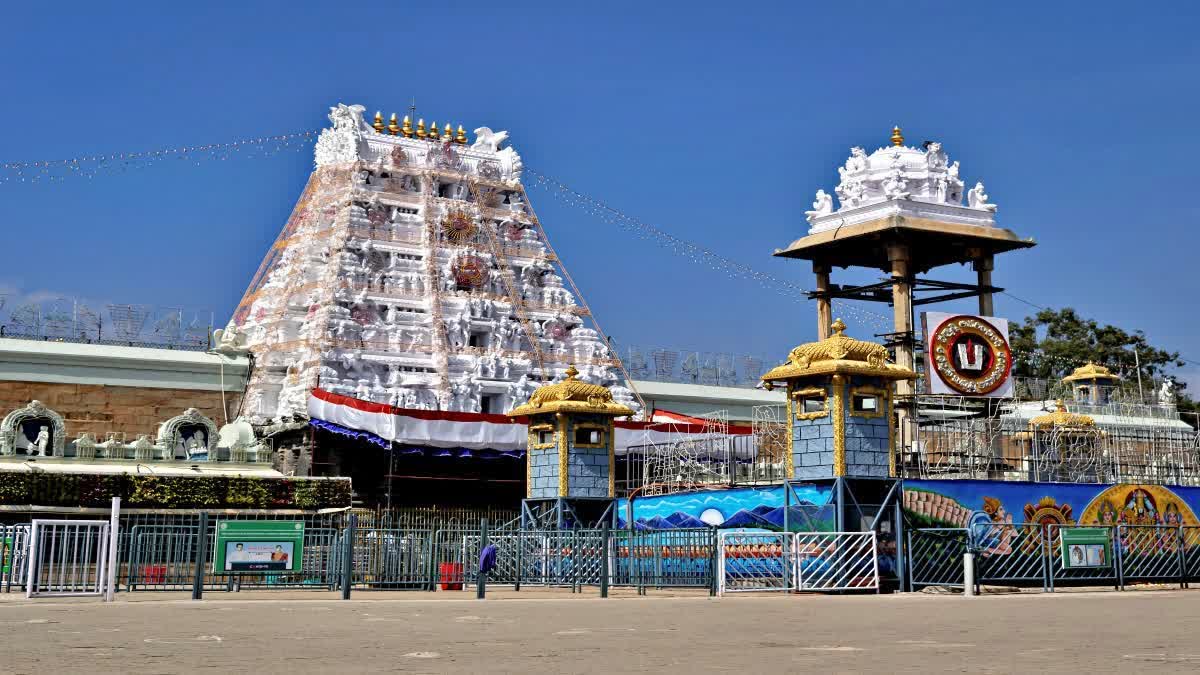
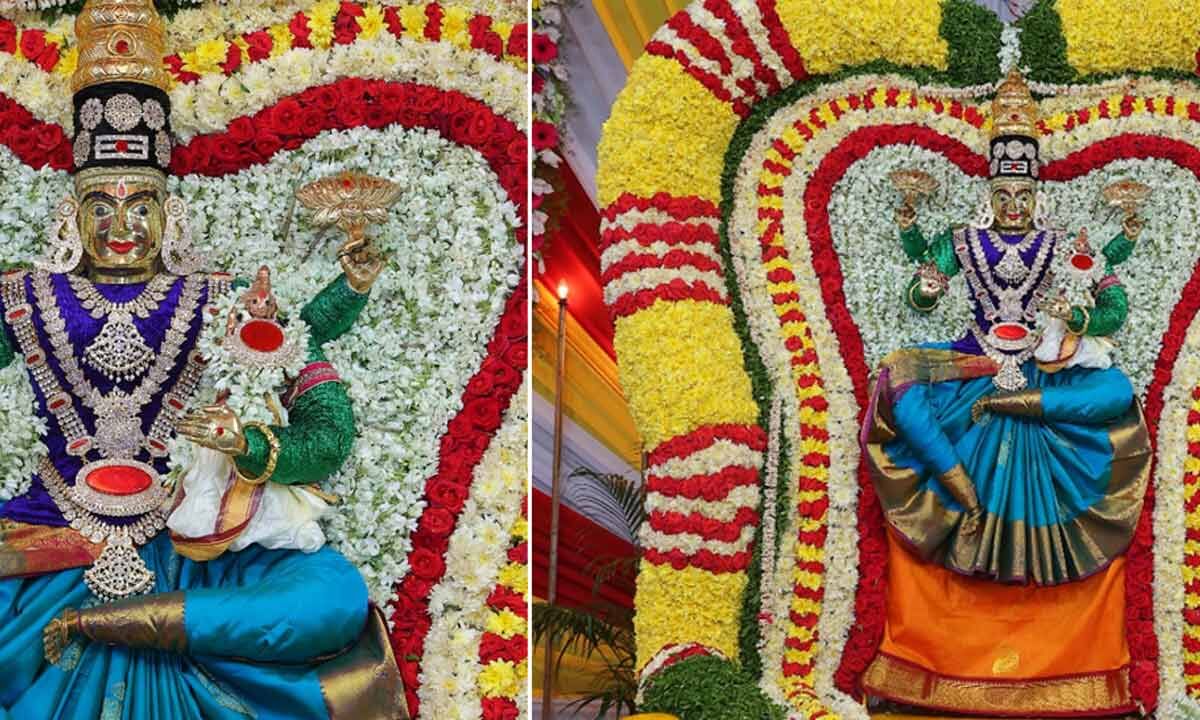
The annual Navaratri Brahmotsavam at Tirumala is among the important religious celebrations dedicated to Lord Venkateswara. The 2026 festivities began with Ankurarpanam on Sunday, October 11. This preliminary ritual involves worshipping the Earth, collecting sacred soil and sowing nine types of grains. The ceremony symbolically marks the beginning of the festival. Vishvaksena, regarded in tradition as the Lord’s commander, is worshipped before the celebrations. According to the supplied programme details, the regular Dhwajarohanam ceremony is not being repeated during this Navaratri Brahmotsavam because it was already performed during the Salakatla Brahmotsavam. The Pedda Sesha Vahana Seva, however, is scheduled to take place.
The following days feature a series of vahana processions through the temple’s Mada streets. The Pedda Sesha Vahana represents Adisesha and is associated with the seven hills of Tirumala. The Chinna Sesha Vahana is linked to Vasuki, while the Hamsa Vahana symbolises the ability to distinguish between good and bad. The Simha Vahana represents courage and the destruction of evil, and the Muthyapu Pandiri Vahana signifies purity. The Kalpavriksha Vahana is associated with the fulfilment of wishes, while the Sarvabhoopala Vahana represents royal authority. The Mohini Avataram highlights the importance of overcoming worldly attachment, and the Garuda Vahana is among the most prominent processions of the festival. Later services include the Hanumantha, Gaja, Surya Prabha, Chandra Prabha and Ashwa vahanas. The Ashwa Vahana procession portrays Lord Venkateswara in the Kalki form. These meanings are drawn from religious traditions and devotional beliefs; the precise schedule should be checked with official Tirumala Tirupati Devasthanams (TTD) announcements.






Comments (0)
No comments yet
Be the first to comment!