General


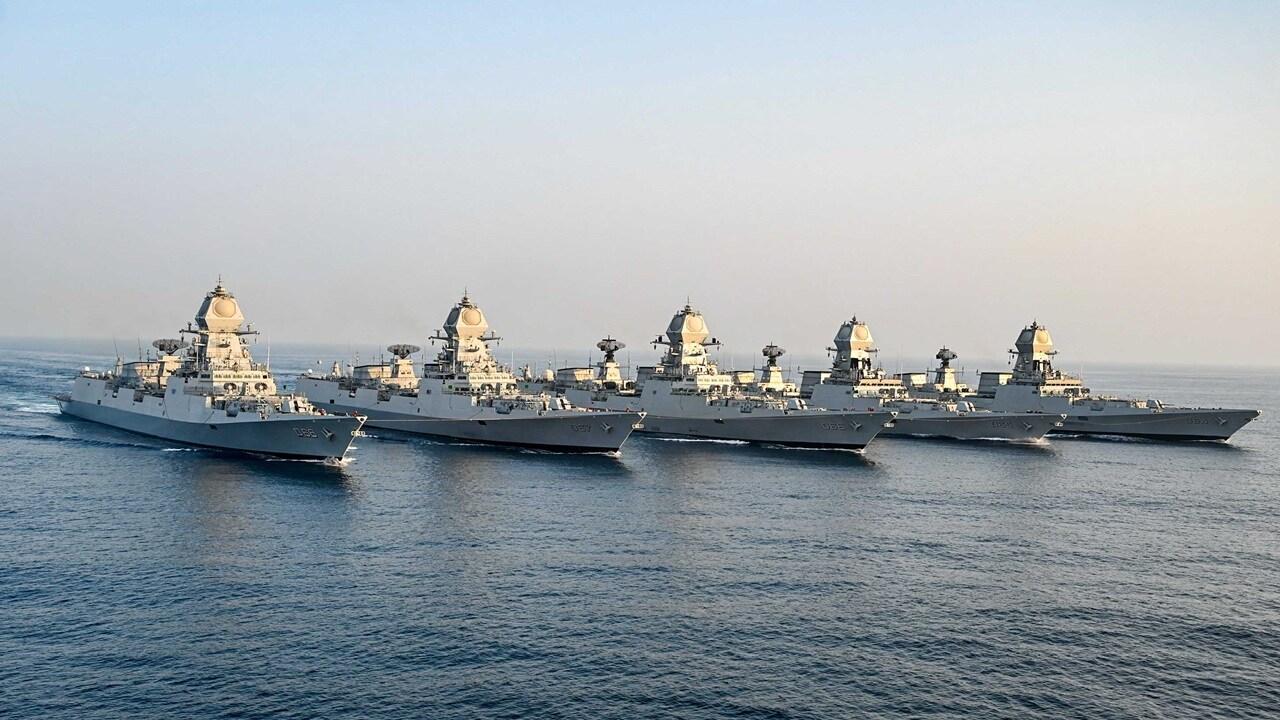
India's maritime security has become increasingly critical as the nation seeks to safeguard its extensive coastline of over 11,000 kilometres, vast Exclusive Economic Zone (EEZ), and strategically important island territories. History has repeatedly demonstrated the significance of the seas in shaping India's security and economy, from foreign invasions to the 26/11 Mumbai terror attacks that occurred through the sea route. Amid growing Chinese activity in the Indian Ocean Region (IOR), the Government of India has intensified efforts to modernise the Indian Navy by inducting advanced indigenous warships. Among them, INS Mahendragiri is equipped to launch BrahMos missiles while reducing radar detection, whereas INS Dunagiri enhances the Navy's anti-submarine warfare capabilities.
India currently operates around 145 warships and submarines and aims to expand the fleet to 200 by 2035 while achieving complete self-reliance in naval capability by 2047. Indigenous shipyards have built more than 40 warships and submarines over the past decade, with INS Vikrant showcasing India's growing defence manufacturing expertise. However, China continues to expand its naval presence at a faster pace, strengthening its influence across Indian Ocean ports while deploying submarines and surveillance vessels in the region. Experts believe India must accelerate warship construction, increase defence allocations, and strengthen maritime capabilities to safeguard national security, economic interests, and regional stability.
















Comments (0)
No comments yet
Be the first to comment!