

Politics


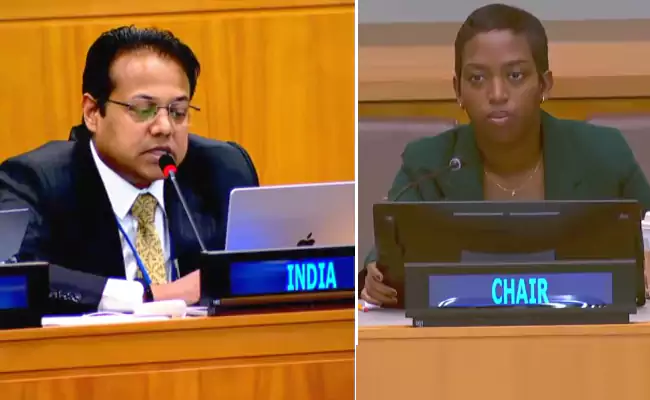
India has rejected allegations by United Nations Special Rapporteur Gina Romero that young people protesting in the country over health and gender equality issues are facing discrimination and suppression by the government. During a UN meeting, Romero referred to reports suggesting that young protesters lacked sufficient freedom to advocate for their rights. Responding to the allegations, Indian diplomat Anuj Swarup dismissed the claims, arguing that they were based on reports that lacked official verification. He said the Indian Constitution guarantees every citizen the right to peaceful assembly, freedom of association, freedom of speech and expression. Swarup also highlighted the role of the independent judiciary, free press and National Human Rights Commission in protecting citizens’ rights. He cautioned that relying on unverified accounts to make broad allegations against a country could undermine the credibility of the United Nations and its institutions.
Swarup also questioned a report's description of a satirical political movement led by young people in India, asking how protesters could openly question leaders and demonstrate in the national capital if widespread government suppression existed. He referred to remarks by the UN High Commissioner for Human Rights about effective dialogue between Indian authorities and young protesters. Addressing demonstrations over alleged irregularities in government examinations, the Indian diplomat said the government had consulted young people and taken steps to prevent examination fraud. He stressed that young people play a crucial role in India's development. The exchange highlights differing assessments of youth protests and the protection of civil liberties in the country.








Comments (0)
No comments yet
Be the first to comment!