
Gossips


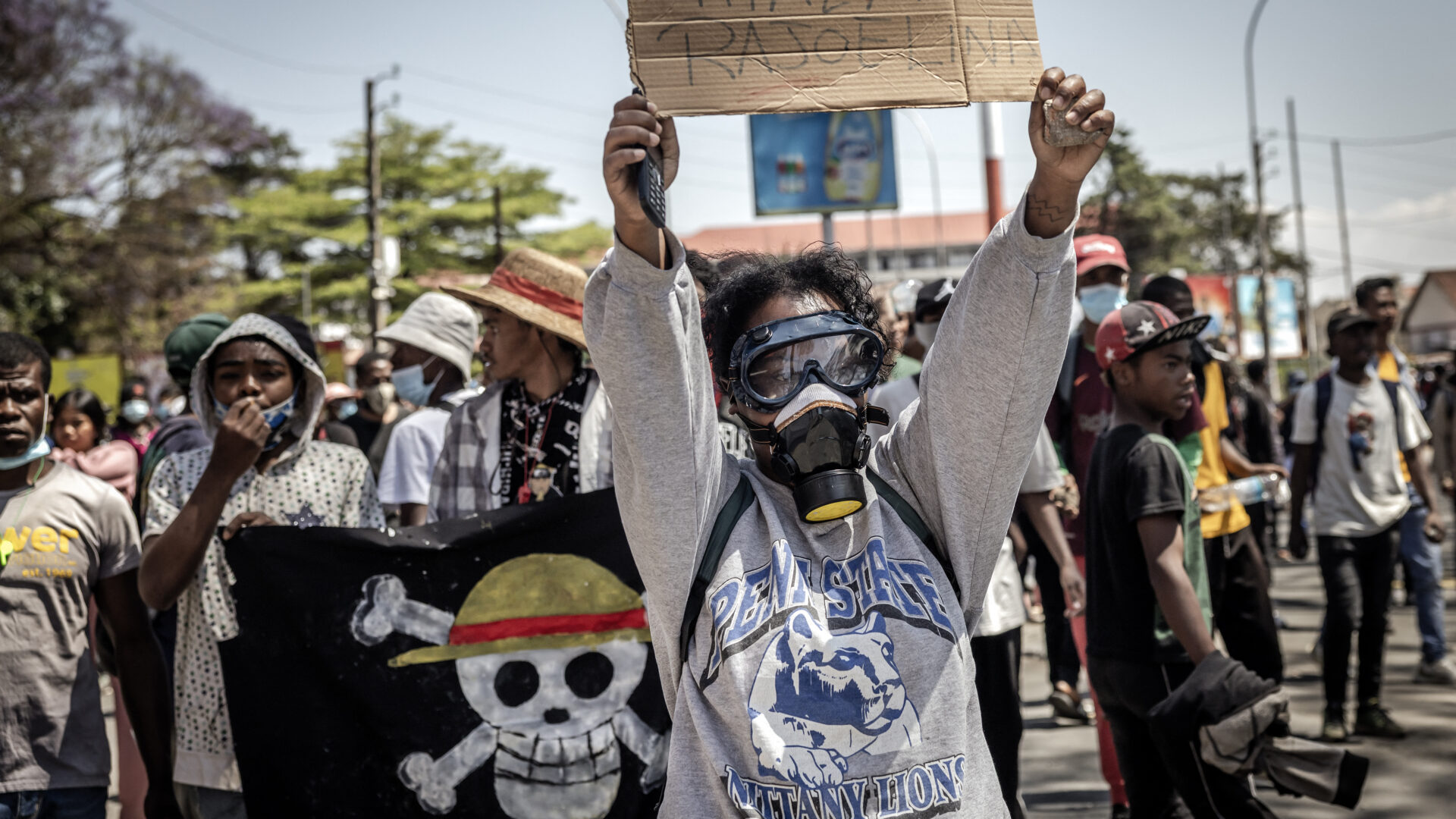
Difficult living conditions, uncertainty over employment after graduation, fears of falling deeper into poverty, widespread corruption and soaring prices are fuelling anger among Generation Z youth across the world. Their frustration is compounded by the feeling that political leaders dismiss their concerns because of their age. After anti-government Gen Z protests emerged in several Asian countries, the movement has spread to Europe, with demonstrations taking place in France, Italy, Belgium, Albania and Serbia. Youth organisations in Germany have also announced plans for a major protest next week. In Serbia, young protesters have been campaigning against corruption and alleged repression under President Aleksandar Vučić, whose rule has faced growing public opposition. Economic hardship and social inequality are among the key factors behind the protests, but young people also say their opinions and aspirations are routinely ignored by those in power. Maya Gardel, a 19-year-old student from Belgium, said young people feel that their concerns are dismissed with remarks such as, “You are too young to understand.” She also highlighted shortages of teachers and facilities in educational institutions, unsafe school buildings, corruption in government, rising prices of essential goods and increasing rents. Despite working hard to complete their education, many young people fear they may not find suitable jobs, leaving them uncertain about their future.
Many European countries are facing significant economic pressure, while nearly 100 million people are reportedly at risk of poverty and social exclusion. Governments struggling with limited funds are finding it difficult to provide adequate support, and cuts to social security programmes are adding to public anxiety. Young people are particularly affected, with those aged 18 to 24 accounting for 26.3% of the group facing these risks, according to the figures cited in the report. At the same time, the growing elderly population has fuelled concerns among some young people that they will have to shoulder a greater financial burden to support older generations. In France, people aged over 60 account for around a quarter of the population and reportedly hold 60% of the country’s wealth. Greece and Italy spend about 16% of their GDP on pensions, while France spends approximately 14%. These figures have become part of a wider debate over economic fairness, public spending and opportunities for younger generations. Bilal Nargissi, a 17-year-old from Paris, said the distribution of resources and the cost of supporting an ageing population are contributing to young people’s dissatisfaction. The protests reflect a broader demand for governments to address the cost of living, employment insecurity, corruption and young people’s concerns about their future.











Comments (0)
No comments yet
Be the first to comment!