
General


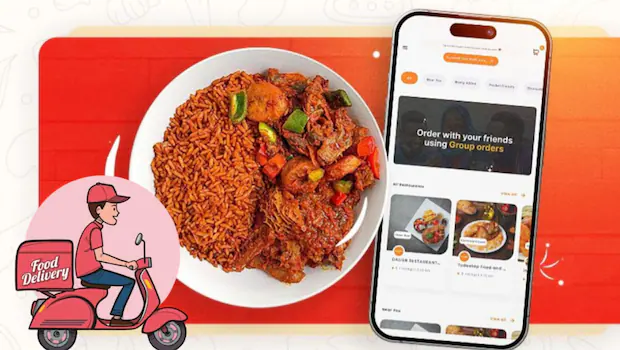
According to a recent report, the Indian food services market is expected to reach $12,500 crore (approximately ₹11.25 lakh crore) by 2030. Over the next five years, the organized food service segment is projected to double in size, surpassing the unorganized segment.The report was jointly released on Thursday by Swiggy and global consulting firm Kearney under the title “How India Eats.”
In 2019, the Indian food services market was valued at $4,900 crore, and it is expected to reach $7,800 crore (₹6.97 lakh crore) by 2025, according to the report.
Over the next five years, the organized segment is expected to capture more than 60% of market growth, overtaking the unorganized segment.
As disposable incomes increase, consumer spending on food services is projected to rise significantly over the next seven years.
Currently, the food services sector contributes only 1.9% to India’s GDP, compared to 5% in China and 6% in Brazil. This indicates substantial growth potential in India.
Cloud kitchens
Quick Service Restaurants (QSRs)
Dessert parlors
These segments are expected to grow faster than average.
Innovative food orders - 20% growth
Restaurant orders - 30% growth
Demand for healthy food items - 2.3x growth
Indians are increasingly enjoying both traditional and international cuisines.
Domestic cuisines like Goan, Bihari, and Pahari dishes → 2–8x growth
International cuisines like Korean, Vietnamese, and Mexican → 17x, 6x, 3.7x growth, respectively
Domestic drinks like buttermilk and sherbet → 4–6x growth
Boba tea → 11x growth
Matcha tea → 4x growth
Rohit Kapoor, CEO, Swiggy Food Marketplace:
Over the past decade, the food service industry has seen massive transformation. While consumers still seek affordable Indian and Italian dishes, they are also enjoying new beverages like Boba and Matcha at record levels.
Rajat Tuli, Kearney Representative:
Compared to India’s 8 major cities, the number of people dining out in other cities is twice as high.
This trend is particularly strong in corporate, industrial, educational, and tourist hubs.
Additionally, Gen Z diners in restaurants outnumber other age groups by three times.
















Comments (0)
No comments yet
Be the first to comment!