
General


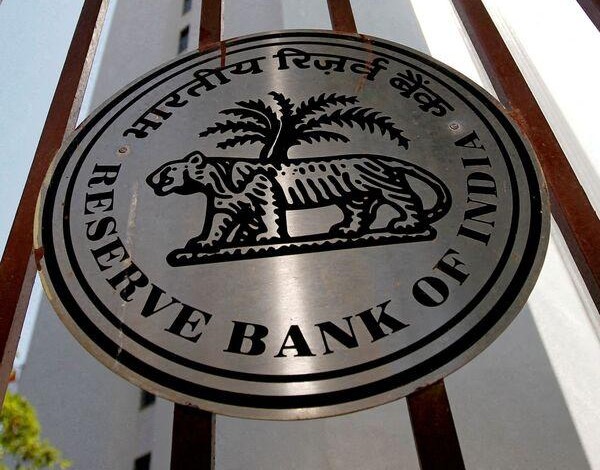
Despite the Reserve Bank of India (RBI) keeping the repo rate unchanged at 5.25% in its latest monetary policy review, loan borrowers could still face higher interest costs. Rising inflationary pressures, global uncertainties, and increasing funding costs have prompted banks to tighten lending norms. While policy rates remain stable, banks are increasingly linking loan pricing to credit scores and risk-based assessments, resulting in higher borrowing costs for customers with lower credit ratings.
Another major challenge for banks is the widening gap between deposit and credit growth. As more people shift their savings toward equity markets and other investment avenues, banks are being forced to offer higher deposit rates to attract funds. To protect their profit margins, lenders are likely to raise loan rates through mechanisms such as MCLR revisions and risk premiums. However, depositors stand to benefit, with several banks, especially small finance banks, offering attractive fixed deposit rates above 8%. Experts advise borrowers to maintain strong credit scores, compare lending rates across banks, and carefully evaluate any additional risk premium charges before taking a loan.

















Comments (0)
No comments yet
Be the first to comment!