

Movies


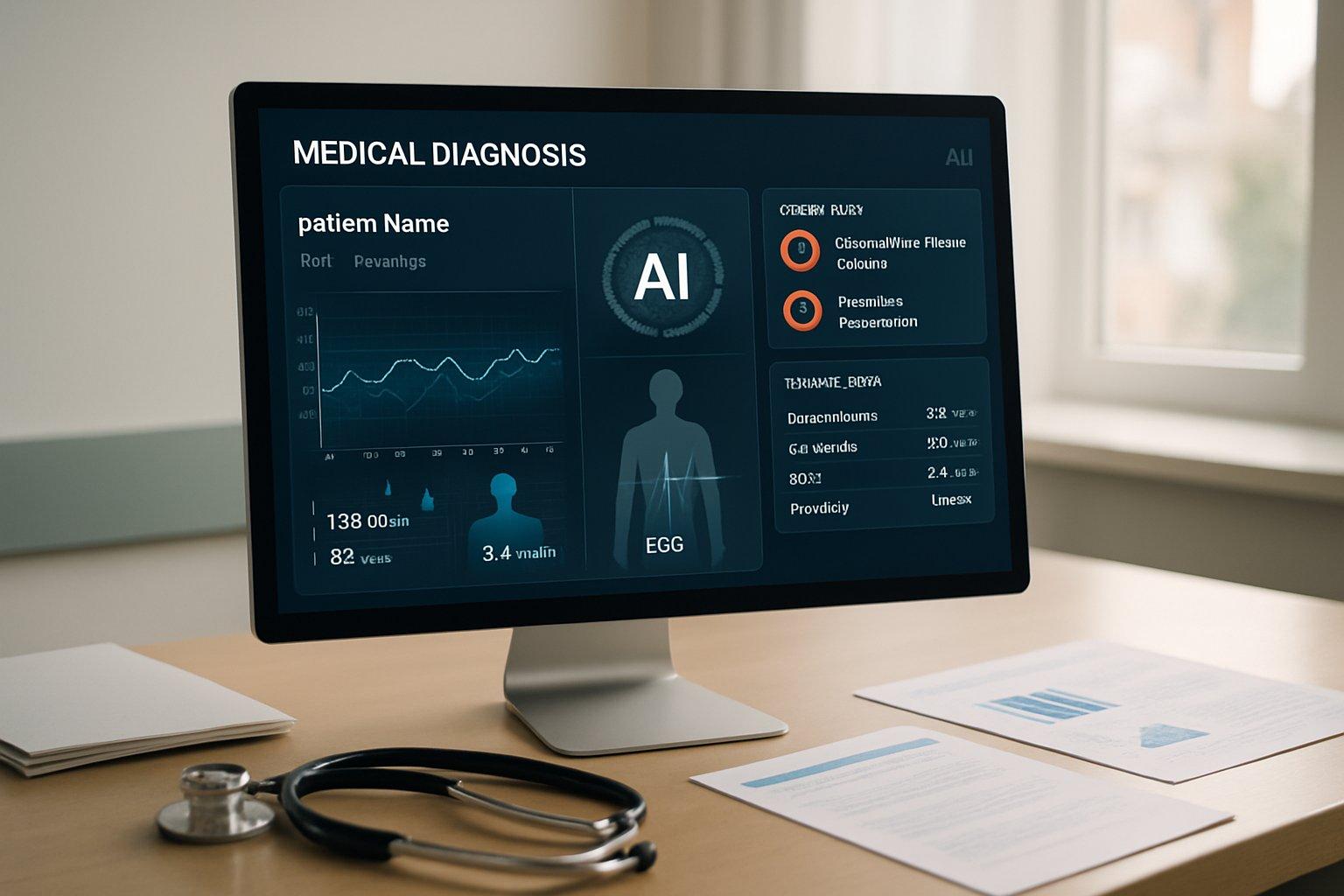
Rapid developments in artificial intelligence are triggering a growing debate over how the technology could reshape the global software industry. The reported next-generation AI technology, GPT-6 Astra, is being discussed for its ability to go beyond answering routine queries and potentially handle complex projects with limited human intervention. Its expected capabilities include writing software code, identifying and fixing bugs, designing applications, analysing data and managing projects from start to finish. Such advances are raising concerns within the software industry about their potential impact on employment.
Experts believe routine and entry-level roles involving repetitive coding, data entry and basic testing could face increasing pressure as companies use AI to accomplish more work with smaller teams. However, AI is not necessarily expected to eliminate software jobs altogether; instead, the nature of these roles is likely to change significantly. For BTech graduates and freshers, simply learning programming languages such as C, Java or Python may no longer be enough. Students are increasingly being encouraged to adopt an AI-first approach and learn how to use AI tools effectively, review AI-generated code, and build skills in prompt engineering, data science, cloud computing and cybersecurity. Problem-solving, communication and project-management abilities will also remain valuable, potentially helping skilled candidates turn AI from a threat into an opportunity.

















Comments (0)
No comments yet
Be the first to comment!