

General


AI in Space: Why Tech Giants Want the Next Frontier?
Major global tech companies are now exploring the idea of moving AI data centres into outer space to tackle rising energy costs.
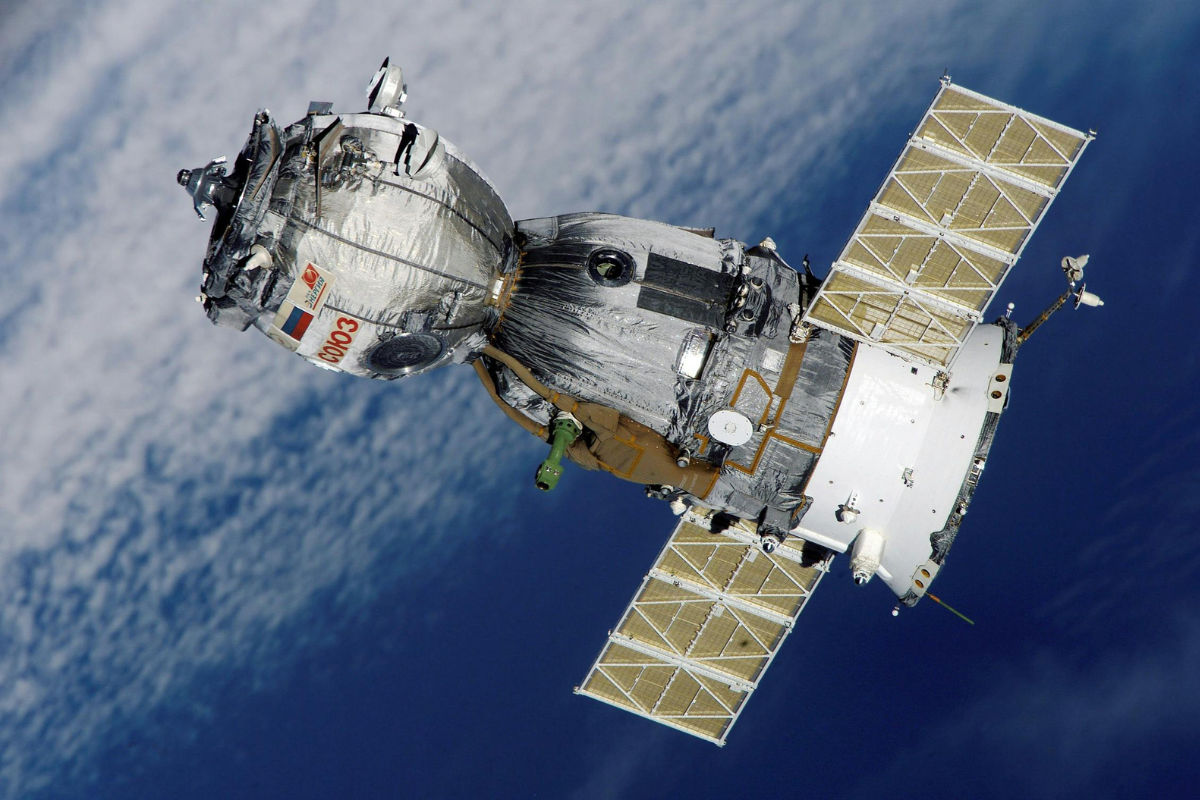
According to recent reports, artificial intelligence (AI) processing may soon occur outside Earth. Several companies have already begun working on space-based AI data centre concepts. Google’s Project Suncatcher is currently in the conceptual stage, while Nvidia’s Starcloud is designing a solar-powered satellite to run high-end AI processing.
Leading AI companies like Amazon, Google, Nvidia, and Elon Musk’s SpaceX believe that the biggest challenge is energy consumption.
AI data centres consume massive amounts of power due to continuous processing on specialised GPUs. This increases both energy costs and cooling costs, as AI servers generate extreme heat. Traditional cooling systems—liquid cooling, immersion cooling and advanced air cooling—add significant operational expenses.
Tech leaders believe the cheapest way to reduce operational cost is to place AI servers in space and run them completely on solar energy.
Google CEO Sundar Pichai revealed Project Suncatcher, which aims to build a constellation of solar-powered satellites equipped with Google TPUs connected through free-space optical links. This could massively scale computation without burdening Earth’s resources.
Nvidia’s Starcloud is even further ahead, working on a satellite named Starcloud-1 with H100 GPUs. It is expected to deliver 100X more GPU compute power than any previous space-based system.
Jeff Bezos stated that space-based AI clusters will become common in the next 10–20 years and will outperform traditional data centres.
Elon Musk also confirmed that SpaceX may scale up Starlink V3 satellites equipped with high-speed laser links to perform AI processing in space.
With many major corporations entering the race, concerns are rising about satellite crowding and space debris, which could pose challenges for future space operations.

















Comments (0)
No comments yet
Be the first to comment!