


General


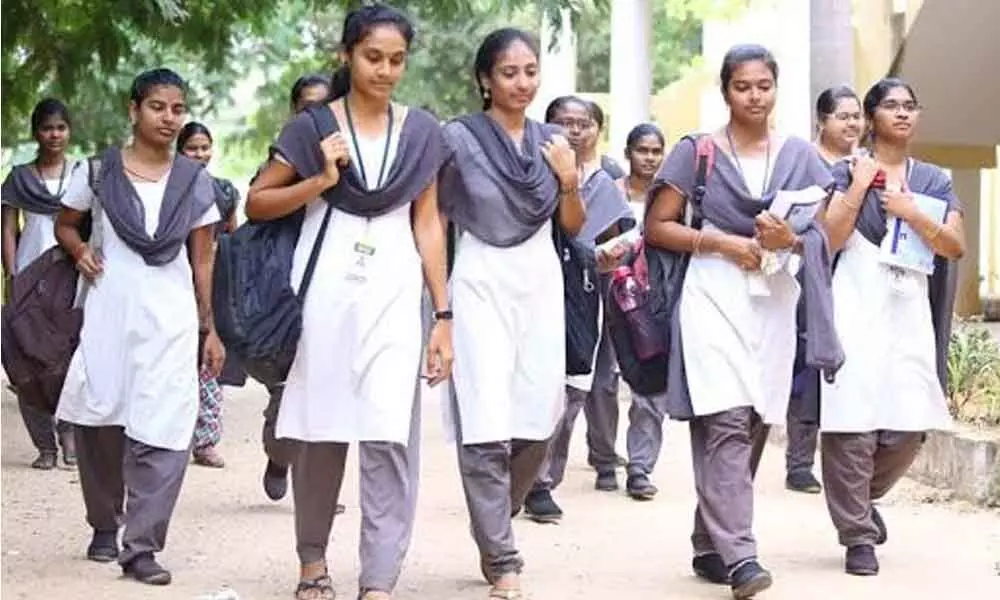
The united Andhra Pradesh government introduced the Fee Reimbursement Scheme in 2008 with a strong intention: to ensure that poverty should never become a barrier to higher education. The idea was simple. A student should not lose the chance to study further just because their family cannot afford the fees. To support this vision, the government decided to take responsibility for paying the tuition fees of economically and socially disadvantaged students.
Because of this scheme, lakhs of students have gained admission into engineering, medicine, degree, postgraduate and various other professional courses. Along with government institutions, private colleges also became partners in this educational mission. Students from poor families were able to pursue professional courses and secure good jobs. Interest in higher education increased even in small villages, tribal areas and remote regions. Parents of poor girl students also began encouraging them to study further, which became possible largely because of this scheme.
However, in the last few years, the scheme has been facing major challenges. There have been long delays in the release of funds from the government. Pending dues have piled up for two to three years, placing colleges under severe financial stress. The reasons are clear: government budget deficits, shifting political priorities during elections, increased debt burden, lack of proper planning, and delays in file processing.
The direct impact of these issues is falling on students. Without receiving their certificates on time, they are unable to apply for higher studies. In some cases, they are also losing opportunities during job selections.
Private colleges, which are offering education to poor students along with the government, are struggling financially. Even though they are providing infrastructure, staff, labs and other essential facilities, the delay in reimbursement is making it difficult for them to pay salaries and manage operations. Thousands of teachers, staff members and employees are being affected by these delays.
Giving poor students an opportunity to study without financial barriers is one of the foremost responsibilities of any government. The fee reimbursement scheme is not just another policy written on paper; it represents the hope of thousands of families. When one student gets educated, it transforms not just their life, but the lives of future generations as well.
Therefore, the government must ensure that funds are released on time and that the scheme functions effectively. Every rupee invested in education is a direct investment in the country’s future. If this responsibility is ignored, the future of poor students may fall into darkness.








Comments (0)
No comments yet
Be the first to comment!