

OTT


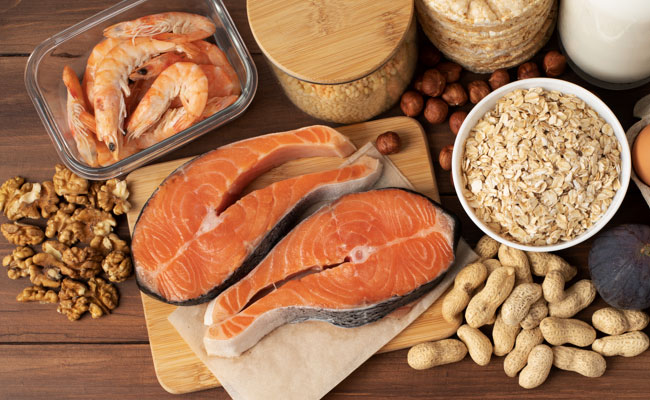
If the body is deficient in iron, problems like fatigue, dizziness, and anemia arise. Pregnant women especially need iron. While the need for iron is moderate in the first trimester due to the early stages of fetal development, the need for iron increases significantly in the second and third trimesters as the baby grows rapidly. Heme iron is abundant in non-veg foods such as goat meat, liver, chicken, fish, and eggs. It is easily absorbed by the body.
For vegetarians, foods like sorghum, sorghum, spinach, lentils, and jaggery are good sources of iron. However, iron absorption improves if taken with fruits containing vitamin C (orange, amla, and lemon). Pregnant women should take iron supplements as per the advice of doctors. Generally, a hemoglobin level of more than 12 grams is considered normal. Doctors may prescribe injections or, if necessary, blood transfusions in cases of severe anemia. Experts warn that maternal iron deficiency can affect the baby's weight and the risk of bleeding during childbirth.








Comments (0)
No comments yet
Be the first to comment!