

Politics


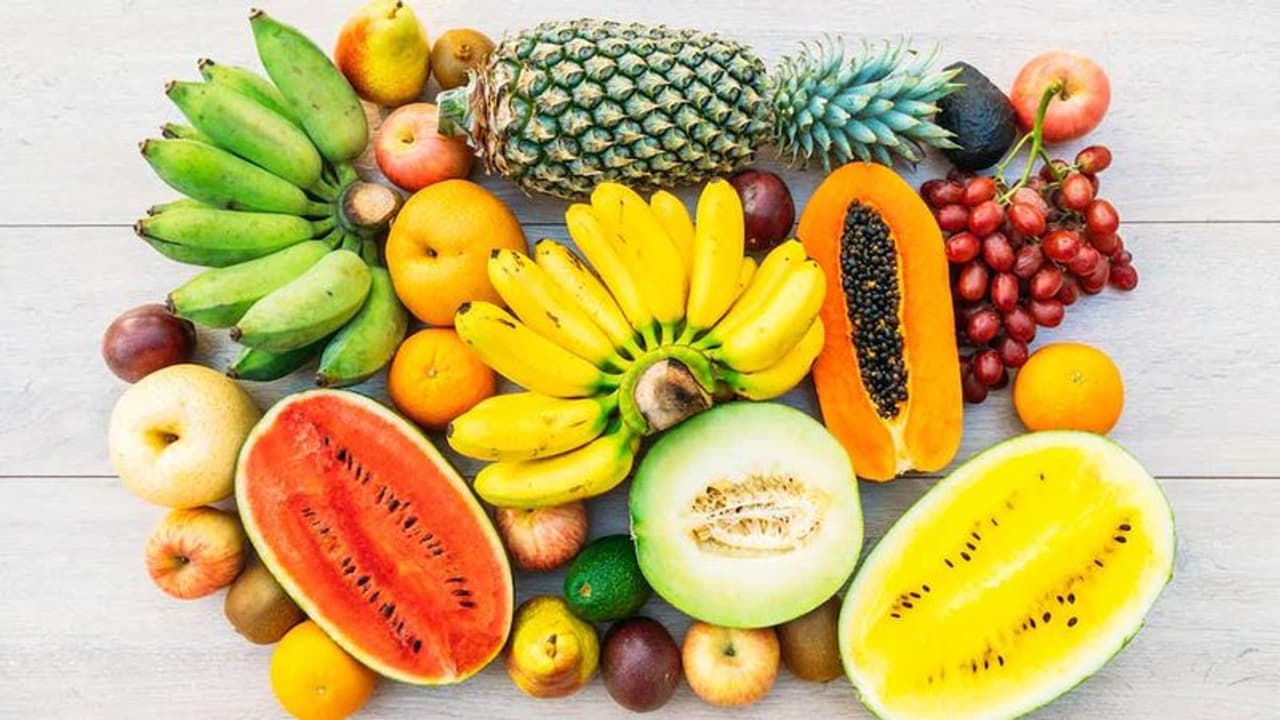
Many people believe that individuals with diabetes should completely avoid fruits. However, according to health experts, this is not entirely correct. Fruits contain natural sugars along with fiber, vitamins, and antioxidants that are beneficial to the body. The important factor is not avoiding fruits altogether, but understanding how much and when to consume them.
Grapes and bananas are often discussed in relation to diabetes. Grapes have low fiber content, so consuming them in excess can cause a rapid rise in blood sugar levels. The effect of bananas depends on their ripeness. Less ripe bananas contain resistant starch, which slows sugar absorption, while overripe bananas can quickly increase blood sugar levels. Both fruits fall under the medium glycemic index category, so they should be consumed in moderation.
Experts recommend certain precautions for diabetics while consuming fruits. Eating fruits along with protein or healthy fats such as almonds, walnuts, or yogurt can slow down sugar absorption. It is better to eat whole fruits instead of juices, as juicing removes fiber. A light 10–15 minute walk after eating fruits helps the body convert glucose into energy, reducing sugar spikes. With proper habits, fruits can be a healthy part of a diabetic diet.
Note: People with severe anemia should consult a doctor and undergo proper blood tests before taking iron supplements or medications.




















Comments (0)
No comments yet
Be the first to comment!