

Movies


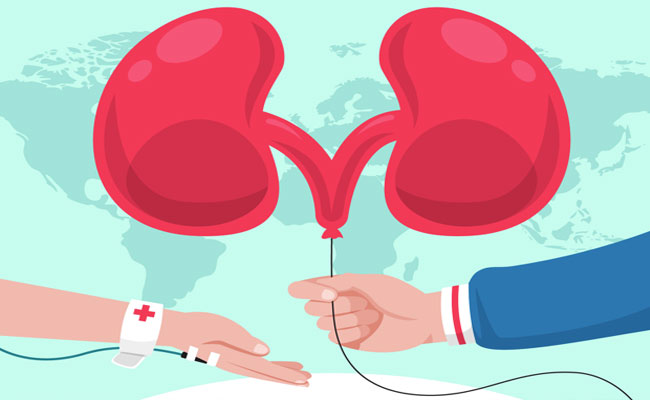
Women with pre-existing kidney conditions require special precautions during pregnancy. The physiological changes that occur in the body during this period place additional strain on the kidneys. Therefore, factors such as blood pressure control, proper nutrition, and adequate hydration are absolutely critical. In particular, if symptoms such as swelling, the presence of protein in the urine, or elevated blood pressure are observed, one must consult a doctor immediately.
Pregnant women with kidney issues should engage only in mild forms of exercise. It is advisable to avoid strenuous physical activities. Simple exercises, such as walking and breathing exercises, can be beneficial. Supplements should be taken strictly in accordance with a doctor's recommendations. Since certain medications and nutritional supplements can potentially impact kidney function, one should refrain from self-medicating or taking any drugs without medical advice.
Limiting salt intake in one's diet is of paramount importance. Excessive salt consumption leads to elevated blood pressure, thereby placing increased strain on the kidneys. Furthermore, individuals with kidney issues are advised to reduce their intake of processed foods, oily dishes, and high-protein items. While adequate hydration is essential, the specific quantity of water consumed should be determined based on a doctor's instructions.
For pregnant women with kidney conditions, a normal vaginal delivery is often possible. However, depending on the specific circumstances, a surgical delivery (C-section) may become necessary. In cases involving severe kidney complications or kidney failure, dialysis may be required. Nevertheless, with appropriate medical supervision, a safe delivery can be successfully achieved. Kidney infections and urinary tract issues have the potential to impact the unborn baby. Therefore, these conditions should not be neglected; immediate medical treatment must be sought. Experts identify diabetes, high blood pressure, insufficient water intake, and infections as the primary causes of kidney-related complications during pregnancy.
To detect kidney problems early, diagnostic tests such as blood tests, urine tests, and ultrasounds should be performed. It is absolutely essential for pregnant women to consult a doctor without delay if they notice any unusual symptoms. By taking appropriate precautions, even a pregnancy complicated by kidney issues can be brought to a safe conclusion.
Note: This information is provided for general awareness purposes only and should not be construed as medical advice. Please consult a doctor before making any changes to your diet.





















Comments (0)
No comments yet
Be the first to comment!