

Shows


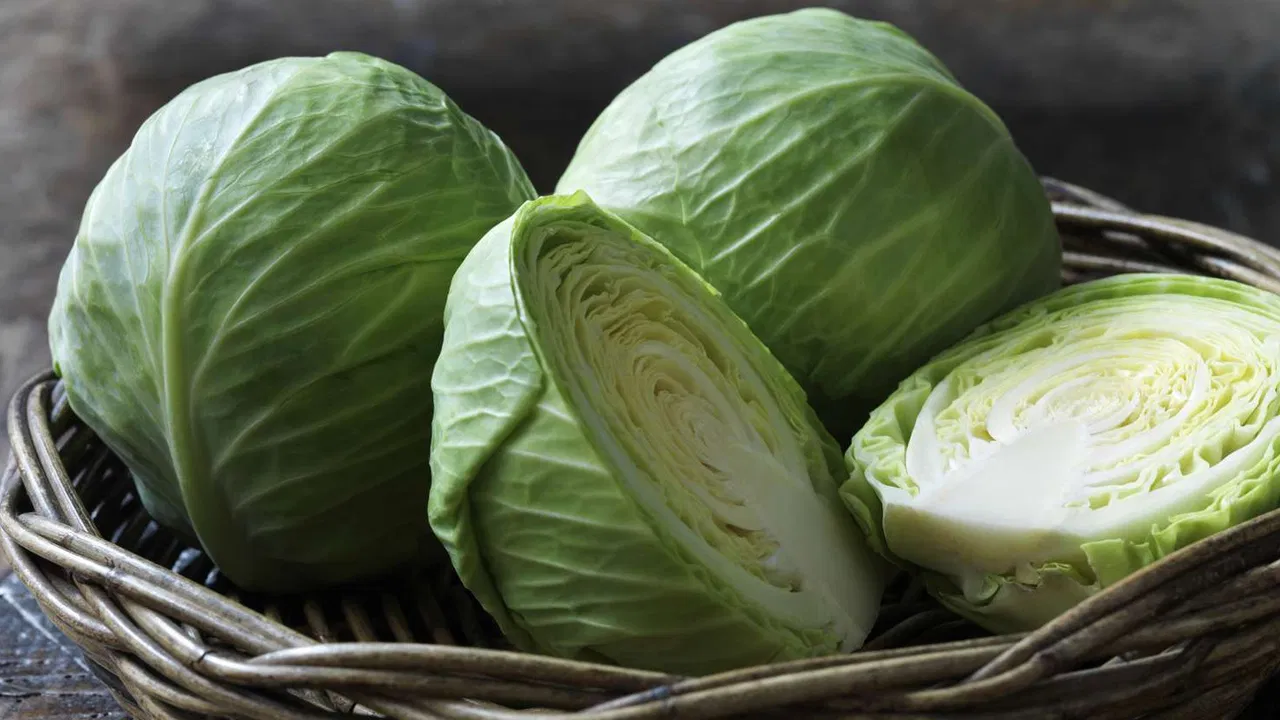
Cabbage is widely regarded as a nutrient-rich vegetable. It contains abundant amounts of Vitamin C, Vitamin K, fiber and powerful antioxidants. These nutrients help strengthen the immune system, improve digestion and support weight management. Cabbage also contributes to heart health. However, it may not be equally suitable for everyone. Individuals with digestive issues should exercise caution while consuming cabbage. It contains a carbohydrate called raffinose, which takes longer to digest and may cause bloating and gas in some people.
People with kidney stones, thyroid disorders (especially goiter) and those taking blood-thinning medications should consult a doctor before adding cabbage to their diet. The oxalic acid present in cabbage may influence kidney stone formation. Goitrogens found in cabbage can interfere with thyroid function. Additionally, the high Vitamin K content in cabbage plays a key role in blood clotting and may reduce the effectiveness of blood thinners, potentially increasing the risk of clot formation. Therefore, individuals on such medications should consume cabbage only under medical supervision.
Experts also advise that individuals with allergies or asthma, as well as pregnant and breastfeeding women, consume cabbage in moderation. In rare cases, some people may experience histamine reactions after eating cabbage, leading to skin rashes, itching, or breathing difficulties. Although such reactions are uncommon, caution is recommended. Overall, while cabbage is a healthy vegetable, individuals with the above-mentioned health conditions should avoid consuming it without professional medical advice.
Disclaimer: The information provided here is for awareness purposes only. We do not assume any responsibility for its use. If you have any health concerns, please consult a qualified doctor or nutritionist and follow their professional guidance.
















Comments (0)
No comments yet
Be the first to comment!