

Health


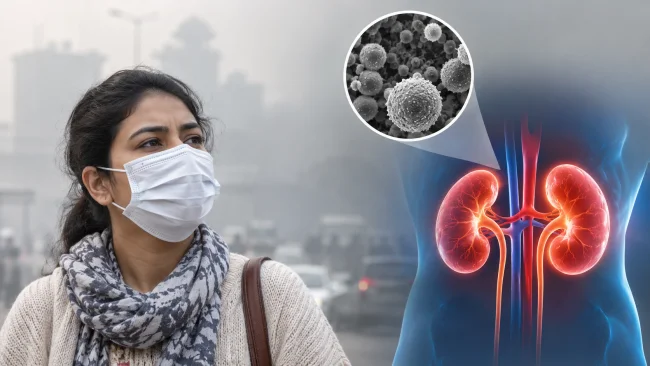
Rising air pollution across major Indian cities is posing serious health risks, with medical experts warning that its effects may extend beyond the lungs and heart to the kidneys. Fine particulate matter, particularly PM2.5, can enter the body through inhalation and trigger inflammation and oxidative stress. According to Dr Mohit Khirbat, Consultant Nephrologist at CK Birla Hospital, Gurugram, these particles can damage blood vessels and affect the blood supply to the kidneys, potentially reducing their ability to filter waste from the bloodstream. Research also suggests that prolonged exposure to PM2.5 pollution may increase the risk of chronic kidney conditions, including membranous nephropathy, a disorder that damages the kidney's filtering structures and can cause excessive protein loss through urine.
A study published in the Journal of the American Society of Nephrology, which analysed health data from approximately 2.5 million people, highlighted a possible link between air pollution and kidney disease. The findings indicated that every 10 microgram-per-cubic-metre increase in PM2.5 concentration was associated with a 25 to 37 per cent higher risk of developing new kidney disease. The risk of rapid kidney function decline increased by 36 per cent, while the likelihood of progressing to dialysis increased by 31 per cent. Similar associations have also been reported in studies conducted in Taiwan, South Korea and Europe. Experts recommend limiting outdoor activities when air quality is poor, wearing a properly fitted N95 mask when necessary, maintaining healthy blood pressure and blood sugar levels, avoiding smoking and undergoing kidney function tests when advised by a doctor. People with diabetes and hypertension should be particularly cautious.
Note: This information is provided for awareness purposes only. If you have any health issues or doubts, please consult a doctor and follow their advice accordingly.














Comments (0)
No comments yet
Be the first to comment!