
General


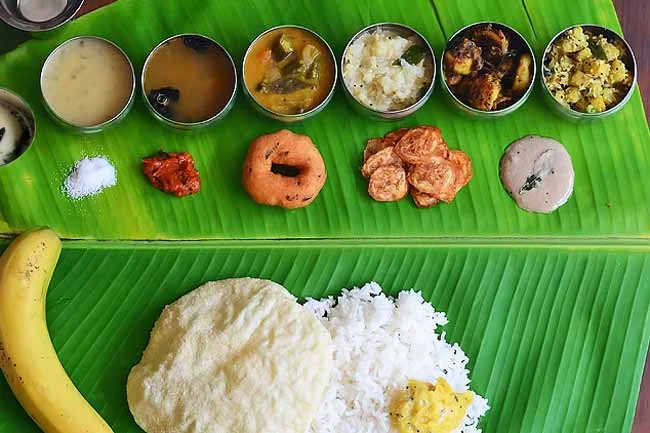
Eating food on banana leaves holds a special place in Indian tradition, particularly in South India, where meals are traditionally served on banana leaves during festivals, weddings and other auspicious occasions. However, health experts point out that this age-old practice may offer more than just cultural significance. Banana leaves contain natural polyphenolic compounds, including catechins and gallic acid, which possess antioxidant properties. Small amounts of these compounds may transfer to food when it is served on the leaves. Antioxidants help the body combat oxidative stress caused by an imbalance between free radicals and the body's antioxidant defences. According to medical experts, adopting healthy food habits and including antioxidant-rich foods in the diet can support overall well-being.
Modern lifestyle habits such as consuming less fibre, eating excessive amounts of processed foods and getting inadequate sleep can negatively affect the body. These factors may contribute to an increase in reactive oxygen species (ROS), which can cause oxidative stress when they accumulate in excessive amounts. Prolonged oxidative stress is associated with health conditions such as insulin resistance, obesity, fatty liver and diabetes. Health experts suggest that antioxidant-rich foods may help support the body's defence mechanisms. They recommend making banana-leaf dining a regular practice, at least once a week, while maintaining a balanced diet. Families are also encouraged to avoid using mobile phones while eating, choose banana leaves instead of plastic plates whenever practical, and include at least one fruit in their daily meals. Guava and other locally available fruits are particularly recommended as part of a healthy eating routine.














Comments (0)
No comments yet
Be the first to comment!